A Poem for Irene

The Battery Rooftop Gardener did all he could to secure the garden against Irene.  There is no word yet on how the garden has fared, and a post will follow early in the week with post-hurricane photos and a damage report.  In the mean time, riding out the storm up here in the Hudson Highlands, I came across the following rather strident poem by D. H. Lawrence, which I thought might provide food for thought for other locovores trapped indoors on a stormy Sunday morning:

MYSTIC

They call all experience of the senses mystic, when the experience

          is considered.

So an apple becomes mystic when I taste in it

the summer and the snows, the wild welter of earth

and the insistence of the sun.

All of which things I can surely taste in a good apple.

Though some apples taste preponderantly of water, wet and sour

and some of too much sun, brackish sweet

like lagoon-water, that has been too much sunned.

If I say I taste these things in an apple, I am called mystic, which

          means a liar.

The only way to eat an apple is to hog it down like a pig

and taste nothing

that is real.

But if I eat an apple, I like to eat it with all my senses awake.

Hogging it down like a pig I call the feeding of corpses.

Posted in Uncategorized | 2 Comments

Fruit Report

Google “green roof orchard” and you will get . . . two, that’s right, two results.  Neither relevant.   A little more creative googling pulls up some useful information about growing fruit trees in containers, but little other than speculation about the performance of fruit trees on a green roof. 

So, here’s my report.  My orchard was planted in the spring of 2011, thus it’s been through only a single winter on the roof.  Last summer’s yields were spotty:  the Redgold nectarine (Prunus persica var. nucipersica) did superbly, as did the Asian pear espalier (with laterals of Shinseiki, Chojuro and Nijisseiki, pictured in the banner at the top of this blog’s home page).  The European pear managed only a single large fruit, the apples were desultory, and the peach slumbered.  Being the first summer, I did not draw any conclusions.

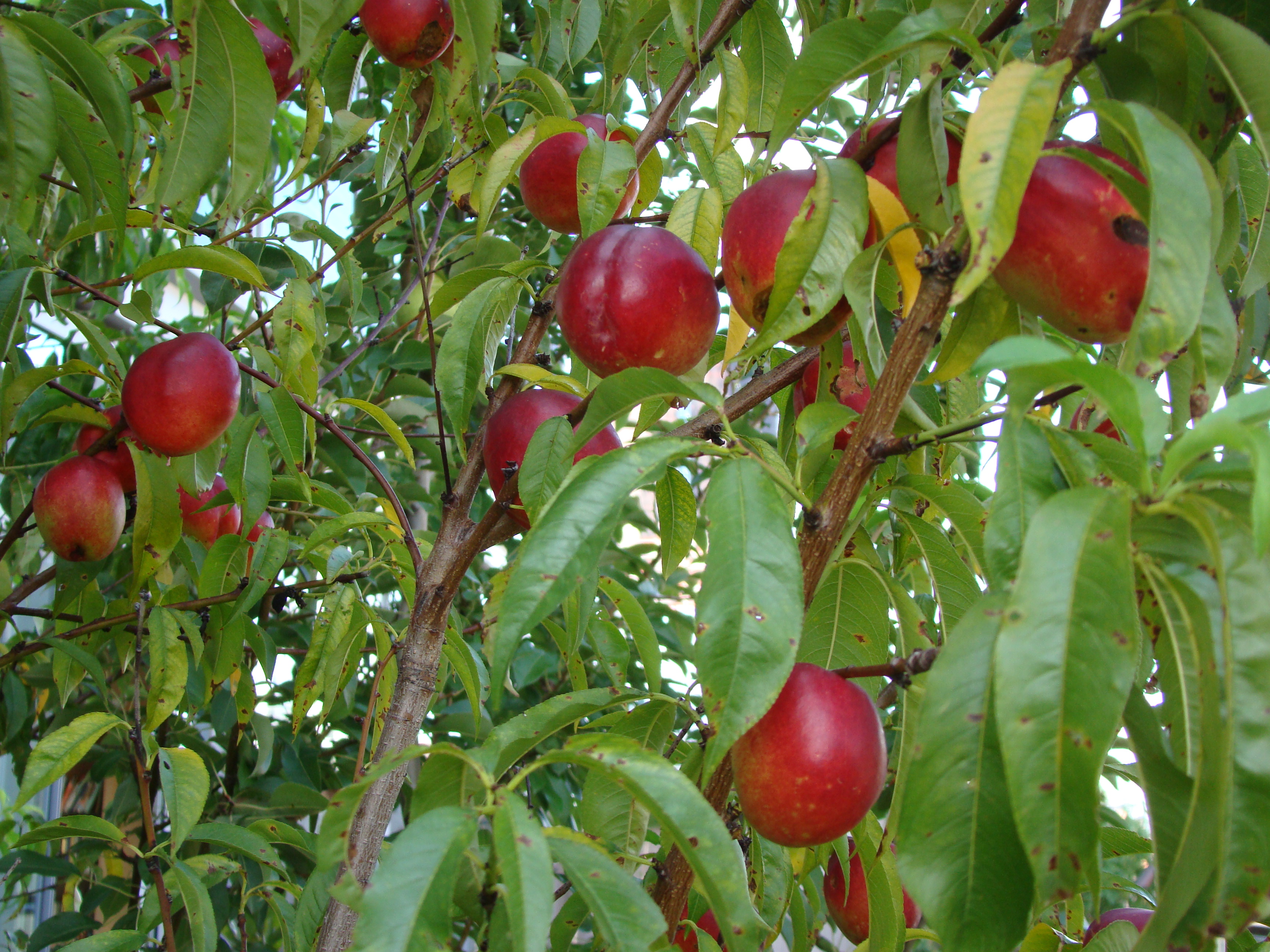
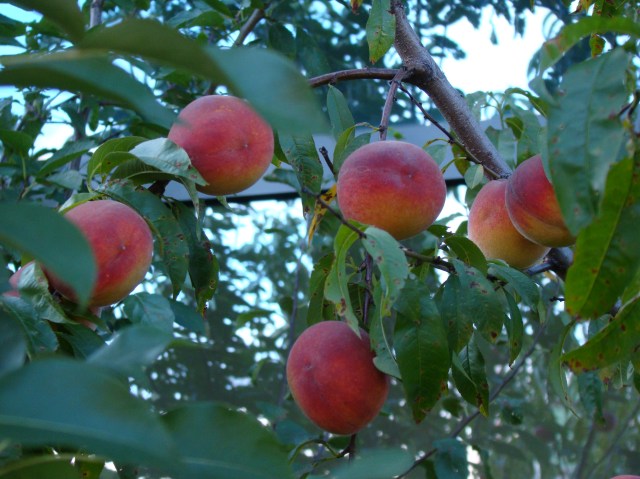
Now, in their second summer, without any spraying or fertilizing (but some judicious pruning), here’s the score:  The winners are the freestone July Elberta Peach (Prunus persica ‘July Elberta’), which is bearing magnificently and whose fruit is exactly as soft, sweet and juicy as advertised,
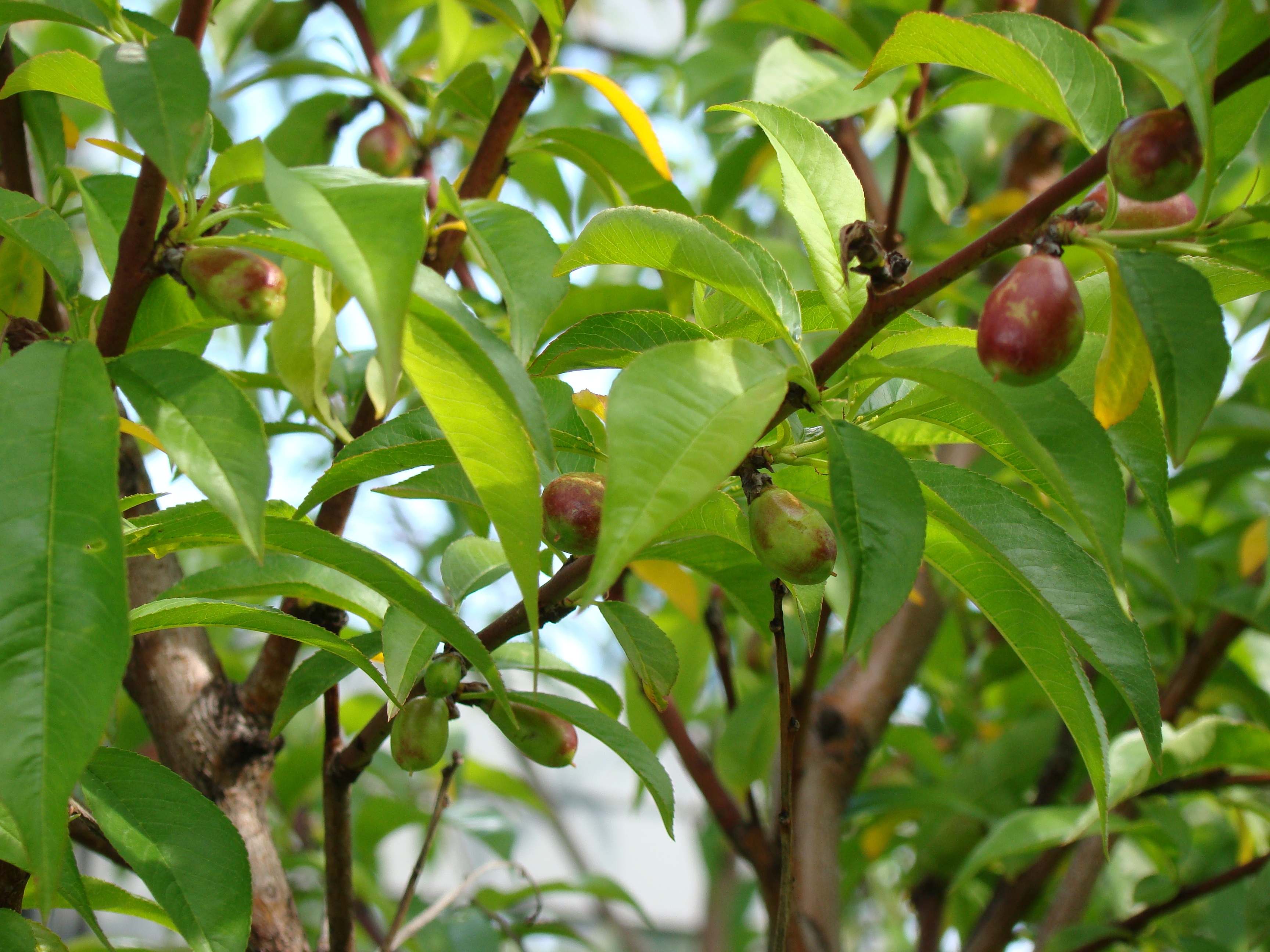
and — again — the Redgold Nectarine:
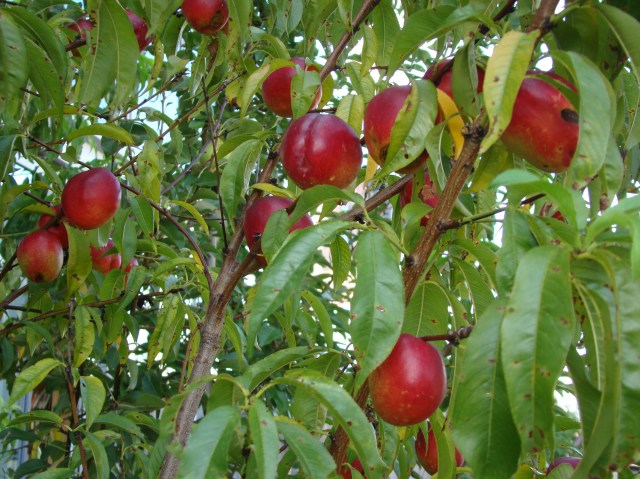
The ‘July Elberta’ is advertised as a mid-season fruit, bearing before the original ‘Elberta,’ and as of today has started to drop the ripe fruits, with dozens and dozens of harder fruits remaining on the tree.  The Redgold Nectarine is healthy and prolific, but not yet ready to eat.

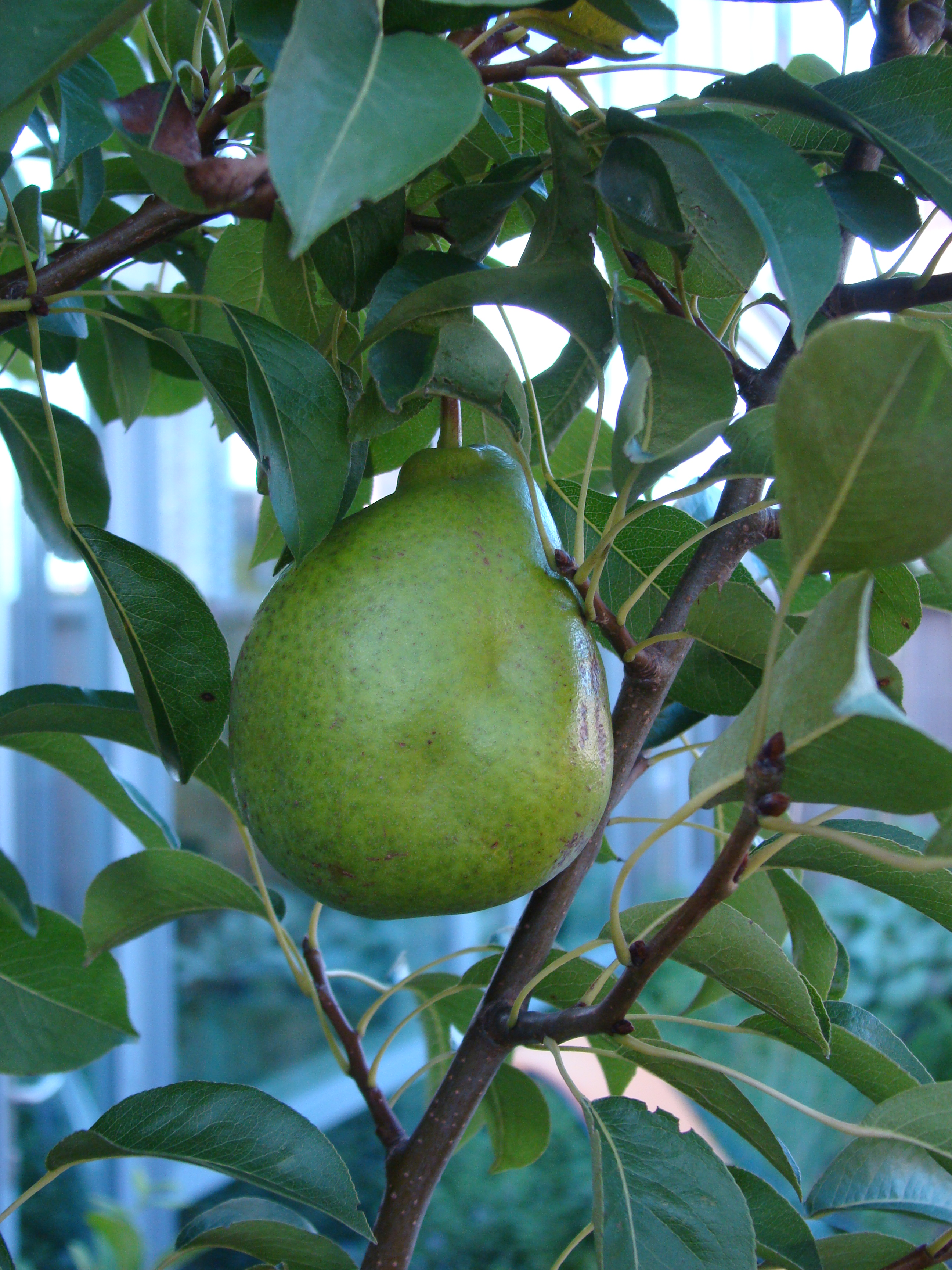
The ‘Moonglow’ pear has doubled its yield to two fruits, both objects of great beauty.
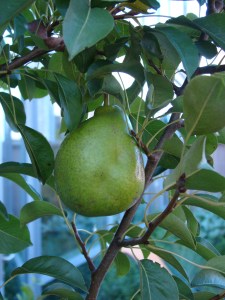
I am satisfied with this.  If it doubles its yield each year as it settles into life on the 35th floor, the inexorable laws of mathematics will assure a good yield in a very short time.  The apples, alas, remain rather pathetic in both the quantity and quality of their fruit – so some research on organic spraying is on my list.  And finally, both the European pear espalier and the Prunus domstica (Stanley Prune Plum) are obviously still putting their energy into rooting and adjusting to the roof, and have not had time or energy for sex and its rewards.   The Prunus is not self-pollinating, but I doubt this is the problem, as pollinators are prolific at the Battery Rooftop Garden.

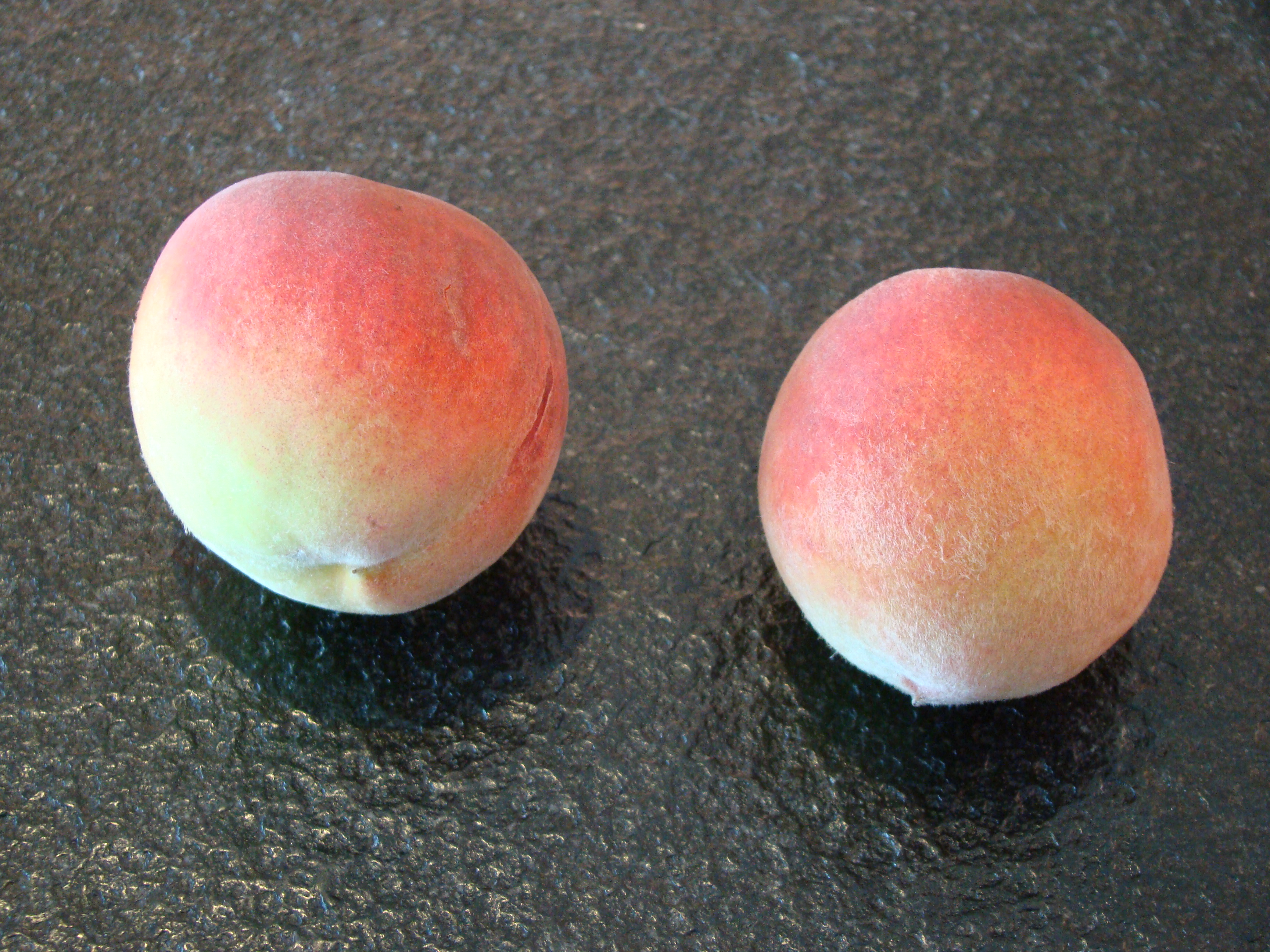
Finally, in celebration of my champion Peach, I offer you a live portrait of its fruit,

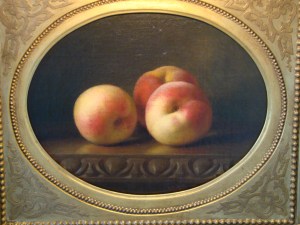
and two all-peach still-lives from my peach still-life collection.  On the left, the marvelous A Tabletop of Peaches (1869) by George Henry Hall (1825-1913),
and on the right, the contemporary Ripe and Ready by Wendy Higgins:

At the Cold Spring farmer’s market on Saturday, the peaches were not ripe.  Returning to lower Manhattan today, I was treated with a dozen perfectly ripe peaches on the roof (that was a couple of hours ago, only eight left now).   My advice — add a peach tree to your green roof.

Posted in Apples, Asian Pears, European Pears, Fruit, Nectarines, Peaches, Pears, Plums | 1 Comment

Beets and Berries for Breakfast

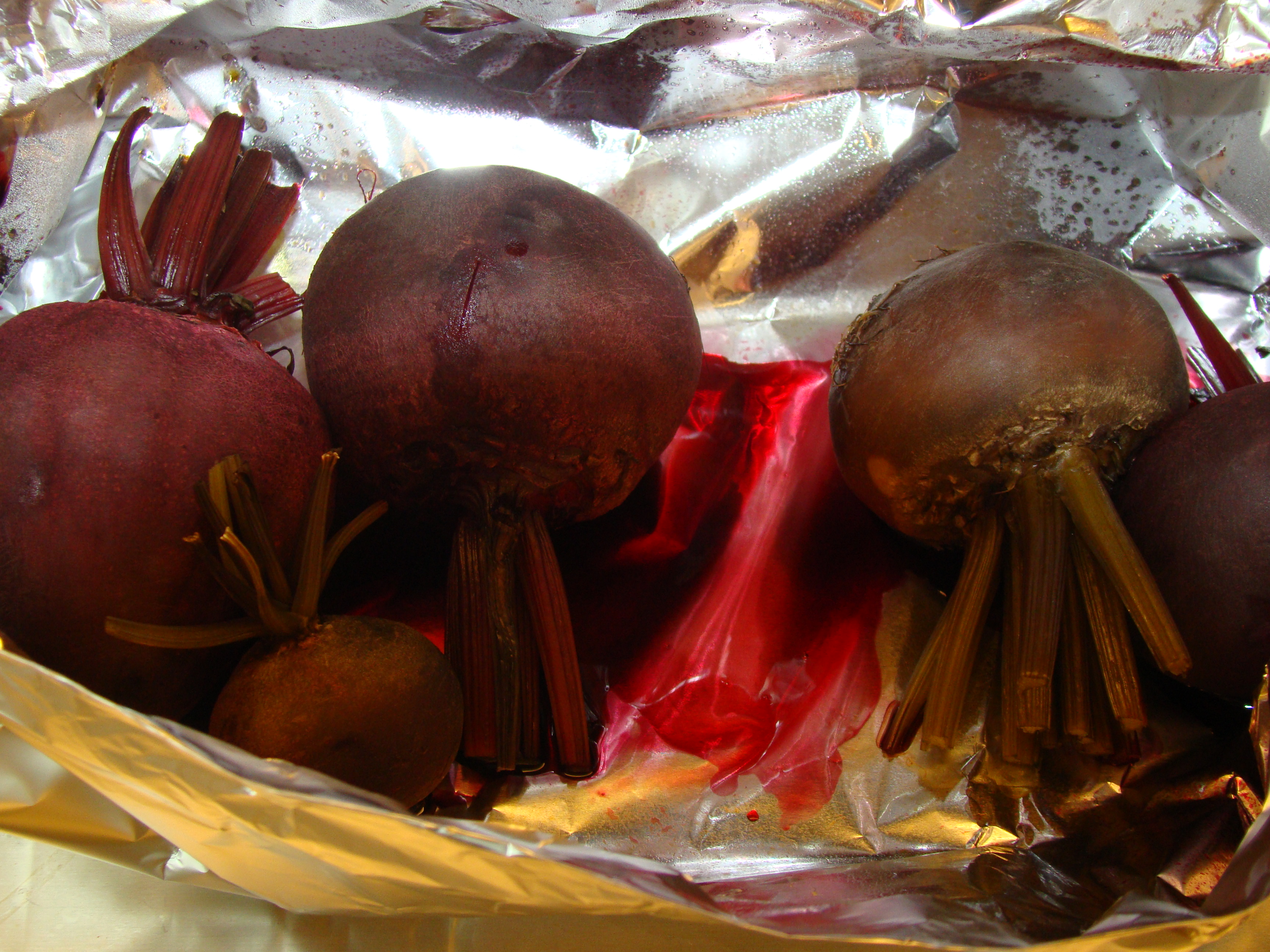
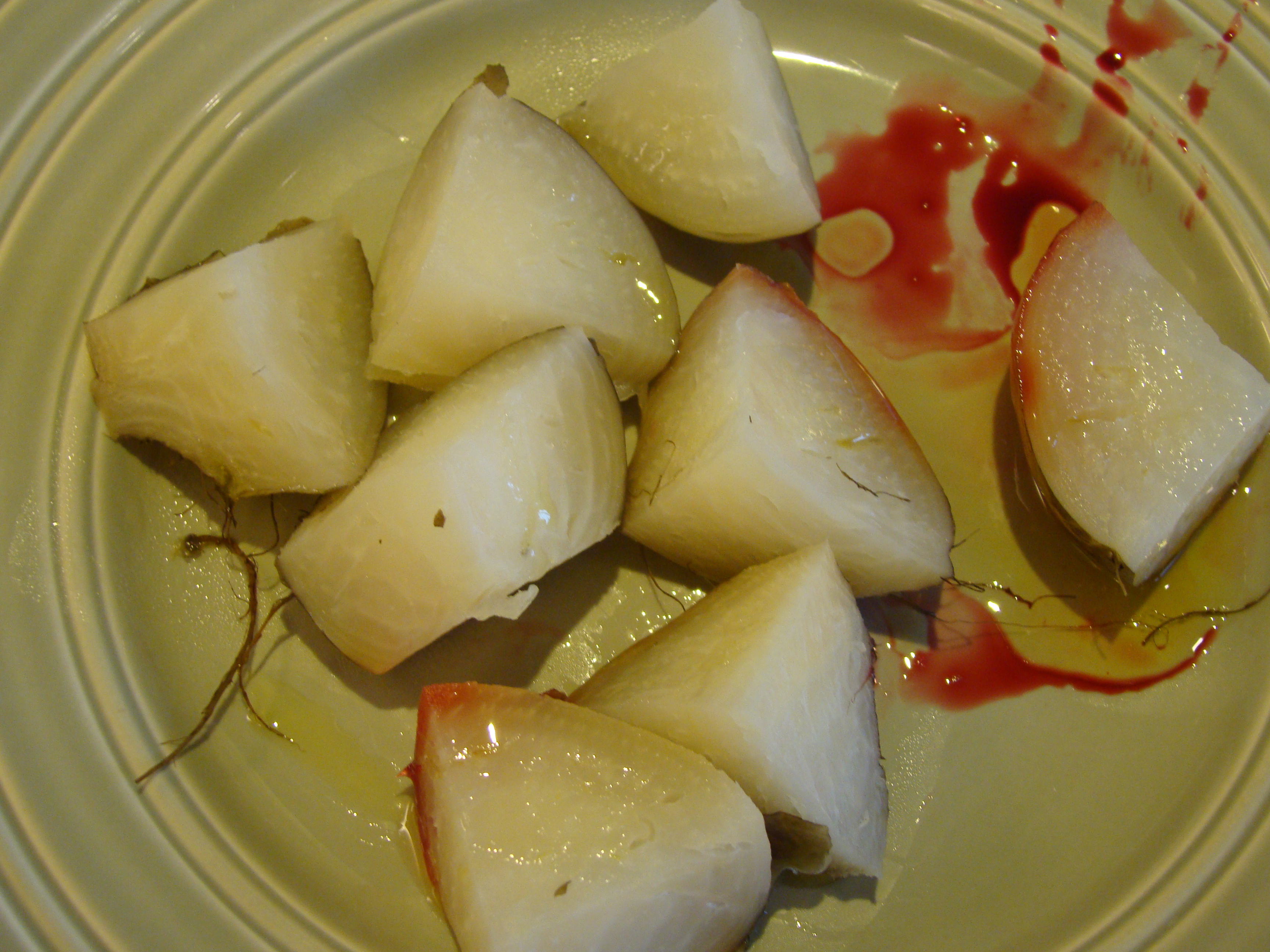
When we eat from the industrial food system, we generally plan our meals in advance, or simply cruise the refrigerator.   With roof-top agriculture, one starts each meal with no pre-conceptions about the menu.  Instead, meal preparation starts with a pleasant stroll through the garden, looking for vegetables and fruits that are ready to harvest.   This morning’s stroll resulting in a meal of beets and berries.    The beets included ‘Detroit Red’ and ‘Burpee’s Golden,’ and were roasted in foil (as recommended by Mark Bittman) during my morning workout.  Upon my return, they were perfectly cooked and ready to eat:

Saving the ‘Detroit Reds’ for later, I decided not to skin the ‘Burpee’s Golden’ (despite the authoritative Mr. Bittman’s admonition to do so), and dressed the supposedly golden beet (which as you can see was more a creamy white) with a splash of olive oil:

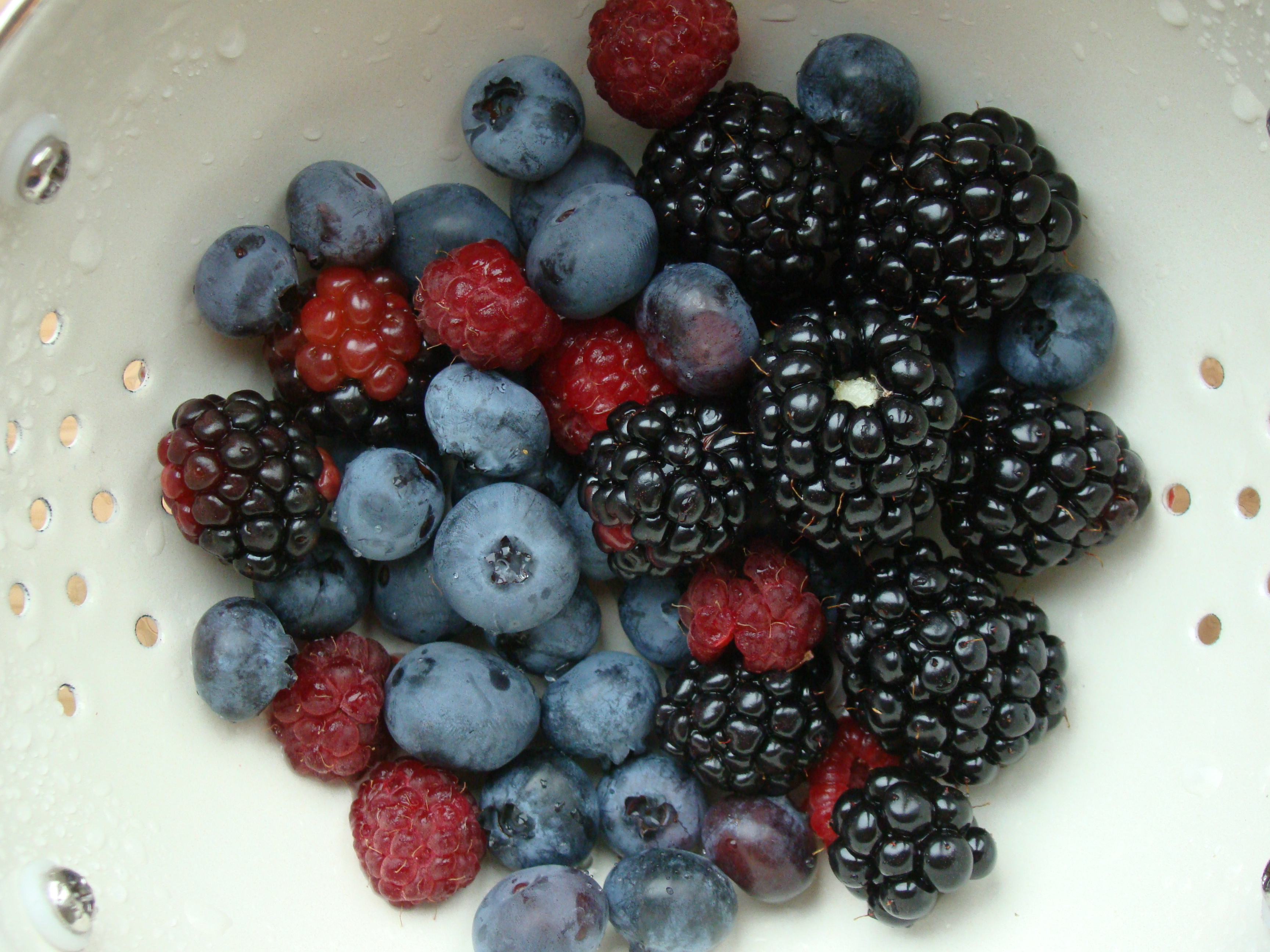
Very little bleeding, and as advertised by Seed Savers Exchange, it was indeed extraordinarily tender and mild.    The beet course was followed by a bowl of mixed berries, still slightly warm from the hazy early morning sun:

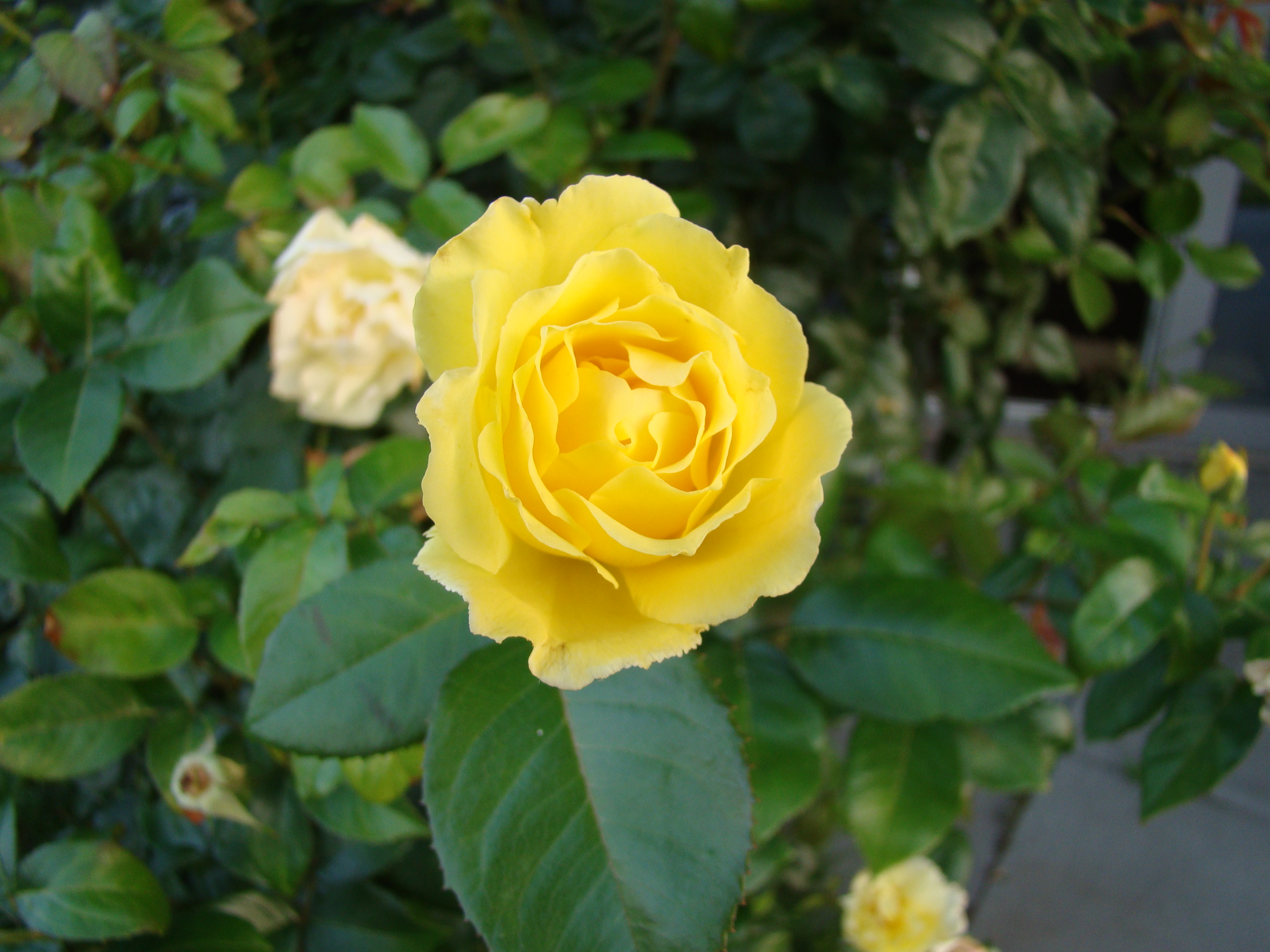
As you can see, the blackberries are the stars of the berry show.  For those considering a roof-top berry patch, I cannot recommend more highly Rubus canadensis ‘Ouachito.’   With the second year stalks nicely spread and secured to a metal frame, the plant has lived up to its reputation for continuous bearing and large sweet fruit.   And yes, I did stop and smell the roses:

Posted in Beets, Berries, Blackberries, Cooking and Eating, Meals and Menus, Ornamental Shrubs, Roses | Leave a comment

Have a seat . . .

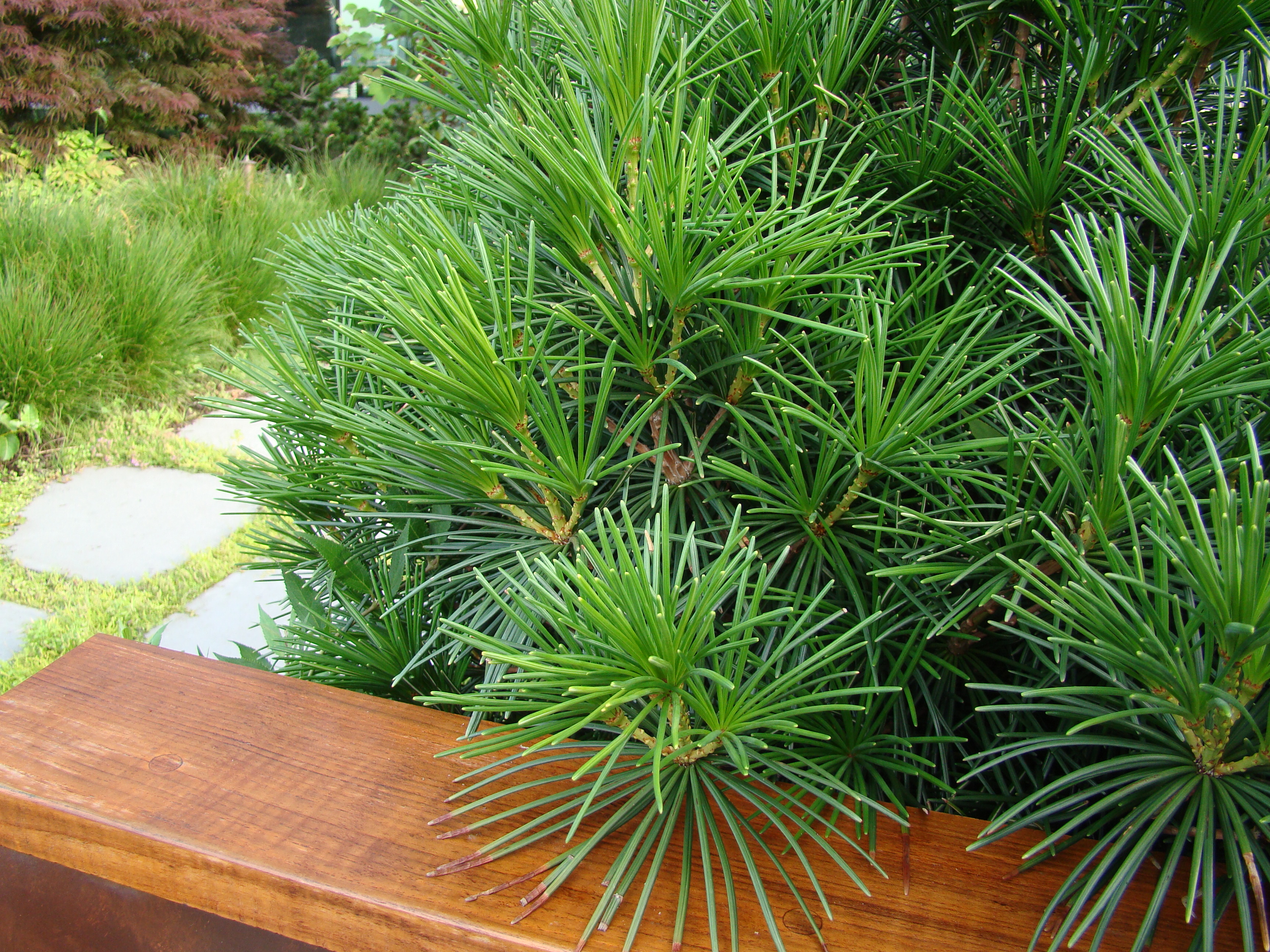
One of the unexpected pleasures of BRTG is the unusual experience of being seated in close proximity to plants.  In most ground-level gardens, we experience plants as part of an over-all composition, such as a border, or only momentarily, as we pass them walking along a path.   One of the most striking features of BRTG is the experience of being closely surrounded by diverse and interesting plants when seated.  Have a seat and see what I mean:

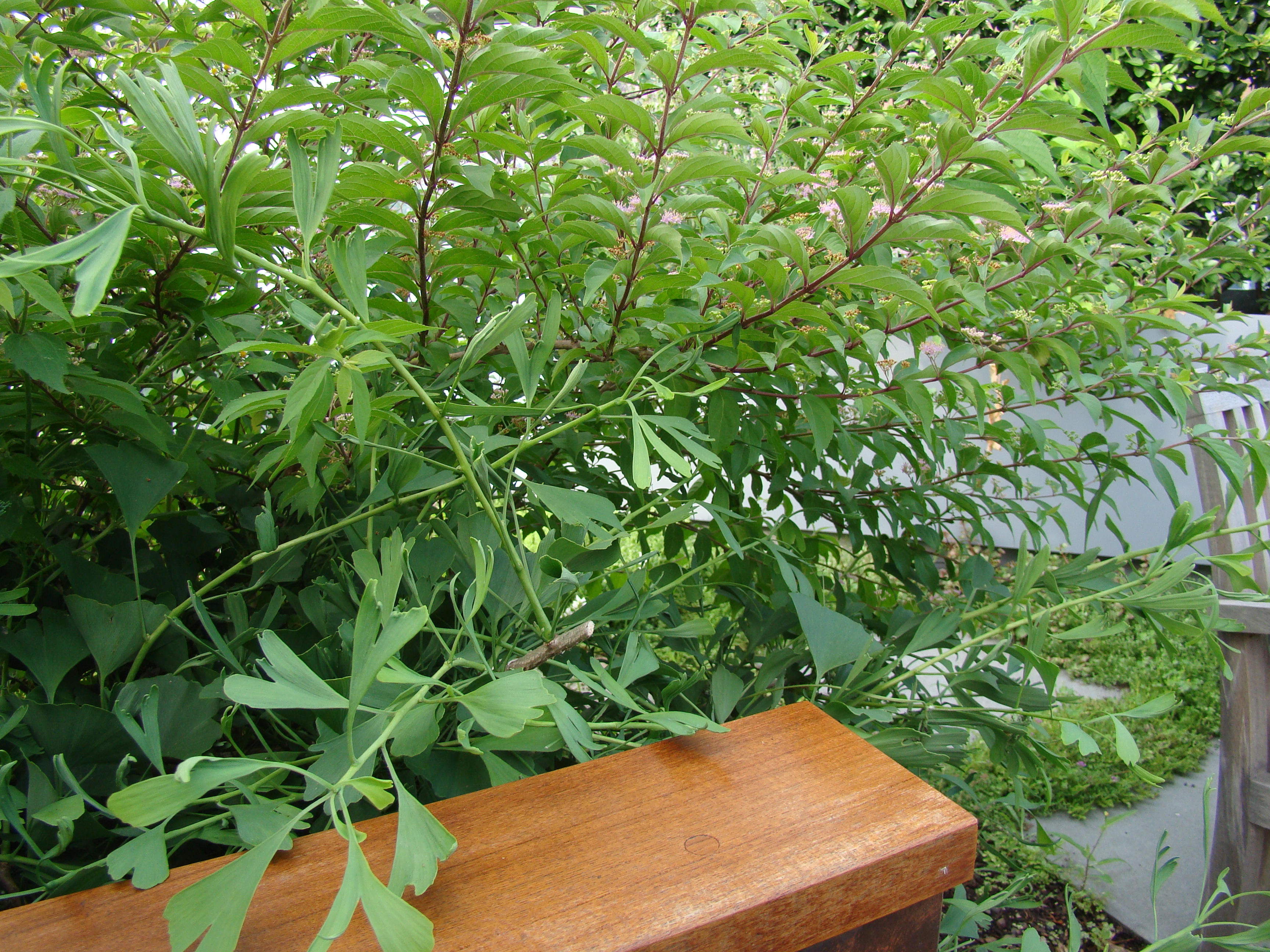
Above, the close relationship you develop with Sciadopitys verticillata (the Japanese Umbrella Pine) when having a drink at the west end of the main sofa.    Below, the seat at the other end of the sofa, where you are distracted from the view by the remarkable leaves of Ginko biloba ‘Spring Grove’ (Dwarf Maidenhair Tree) framed by the arching stems of the beautiful but non-edible Callicarpa dichotoma ‘Early Amethyst’ (Early Amethyst Beautyberry):

The experience of morning coffee is one of close encounter with fragrant lavender, parsley gone to seed, waves of oregano, roses and filtered morning light, to the gentle sounds of the double-helix fountains:

Or, have a seat on the large curved bench, with your back to the Asian and European Pear espalier:

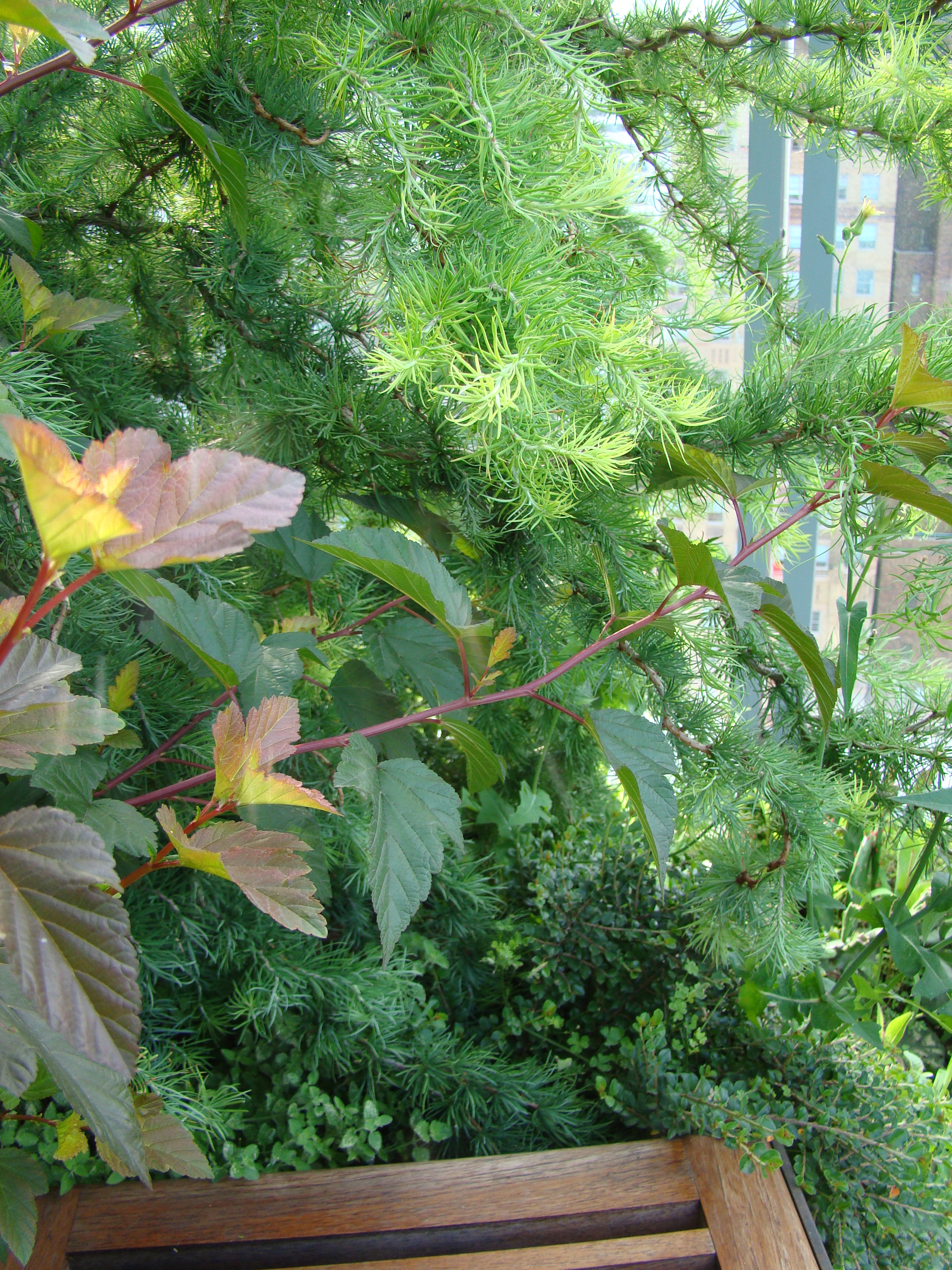
Finally, retreat to the Secret Garden bench, where you are cocooned by the soft but twisted limbs of Larix decidula (Weeping, or Contorted, Larch, a deciduous evergreen) and, in the foreground, the striking and robust Physocarpus opulifolius ‘Coppertina’ (Copper Ninebark):

The Battery Rooftop Garden is mainly about food and the serious business of urban agriculture.   But all plants nourish the human spirit, and, I’ve found, the closer you are to them, the better.

Posted in Design, Non-edible Perennials, Ornamental Plants, Ornamental Shrubs, Parsley, Photos | 1 Comment

First Berries

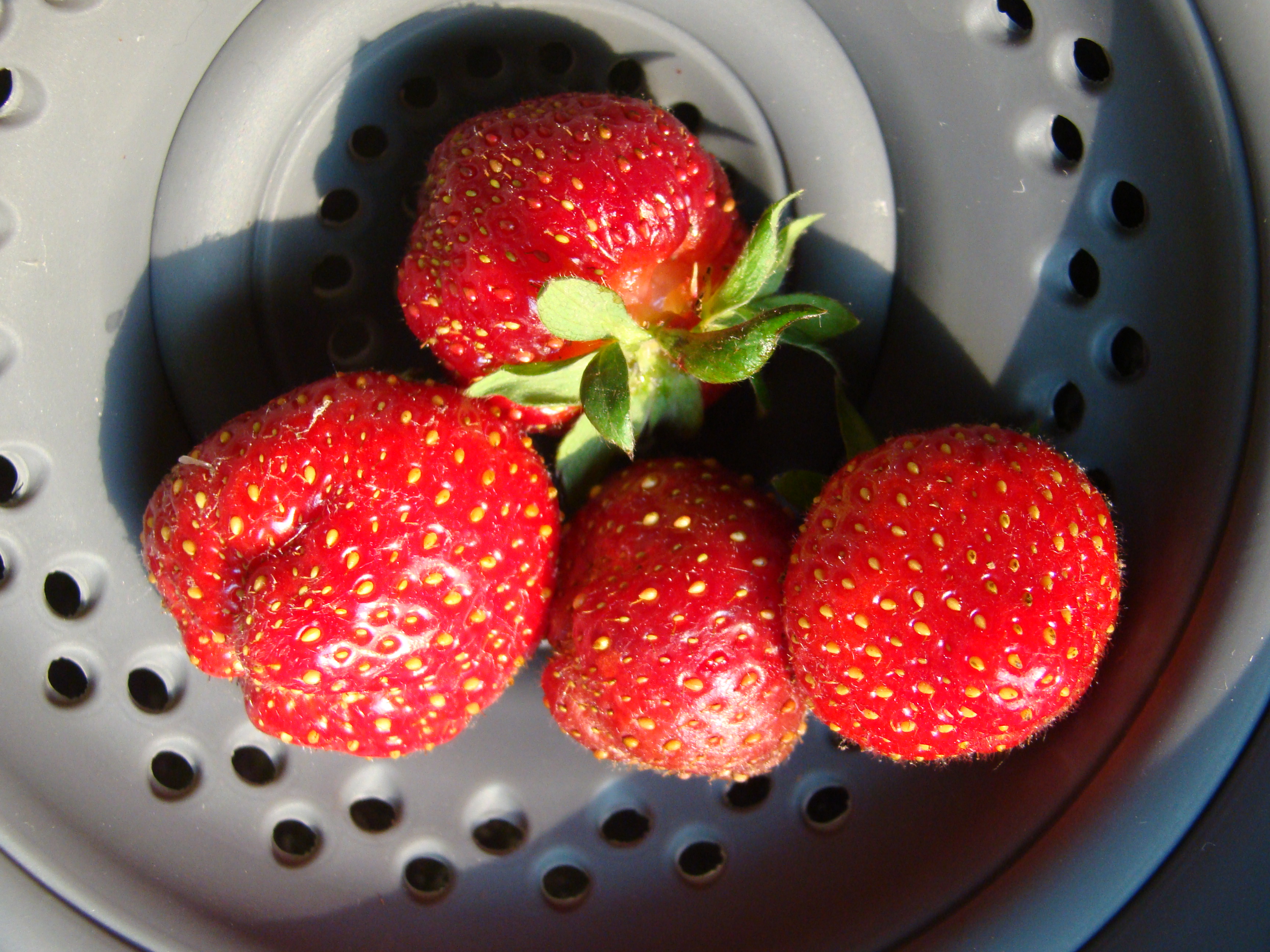
June 6 — A happy day, on which the first berries were harvested from the Battery Rooftop Garden:

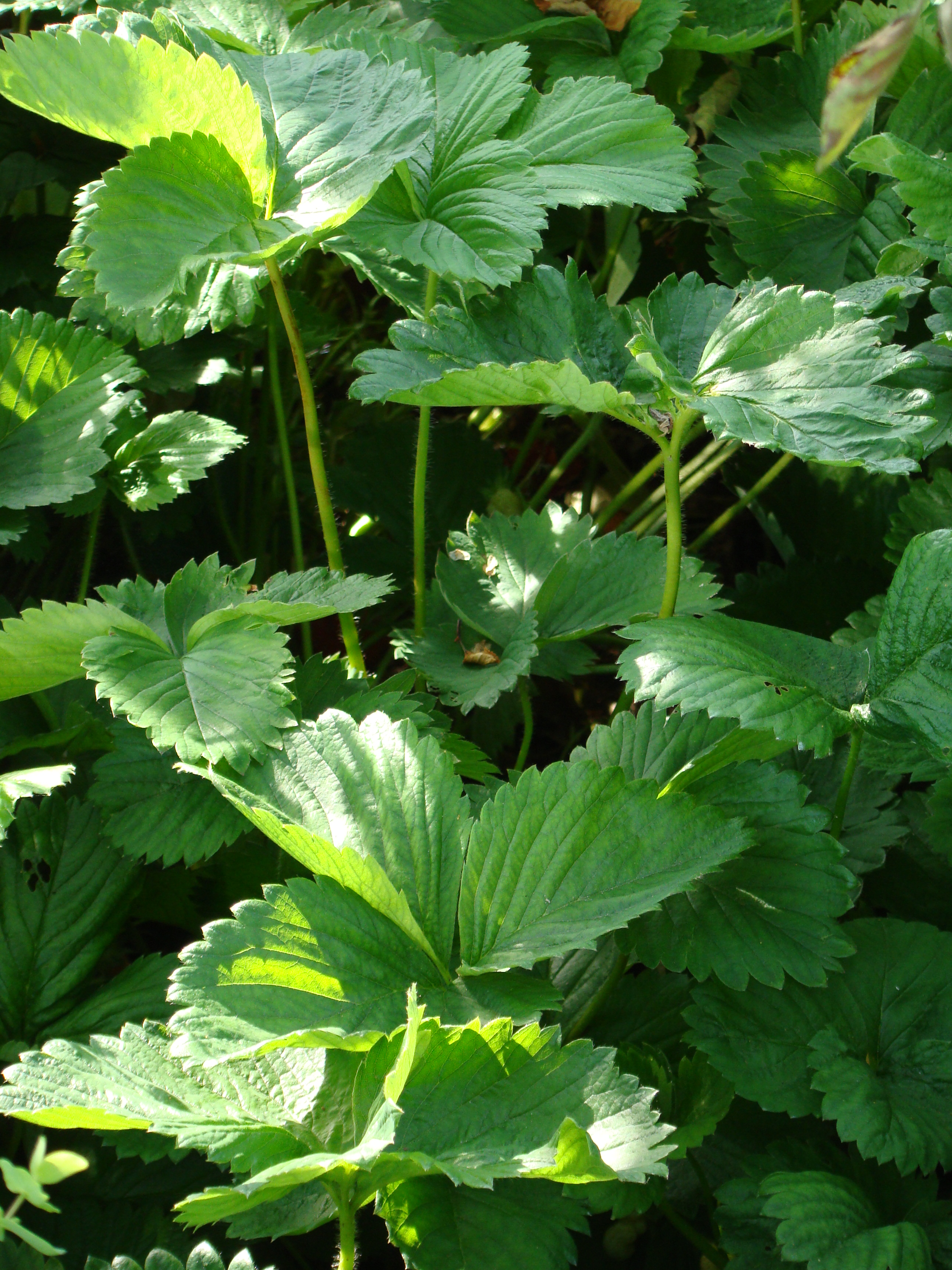
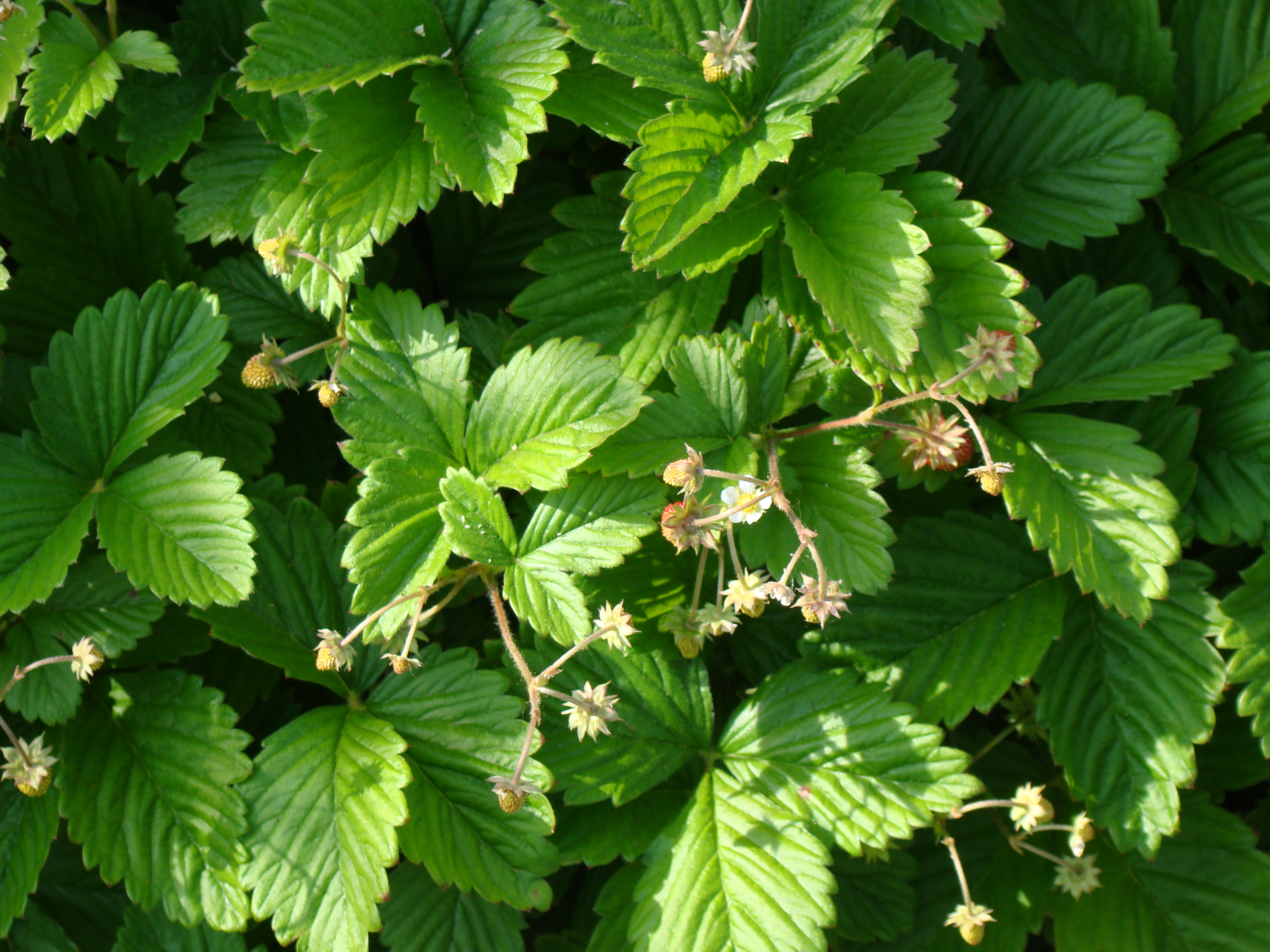
I’m not sure whether these are Fragaria “Sparkle,” “Allstar,” or “Seascape,” but in any case, eaten directly from the vine, they were soft, sweet, moist and bursting with strawberry flavor.   The vines themselves, in a mix of exposures, grown mainly as a ground-cover in the orchard, are the picture of health:


And, soon to come, will be my all-time favorite, fraise de bois, or for the botanically inclined, Frageria alpina:

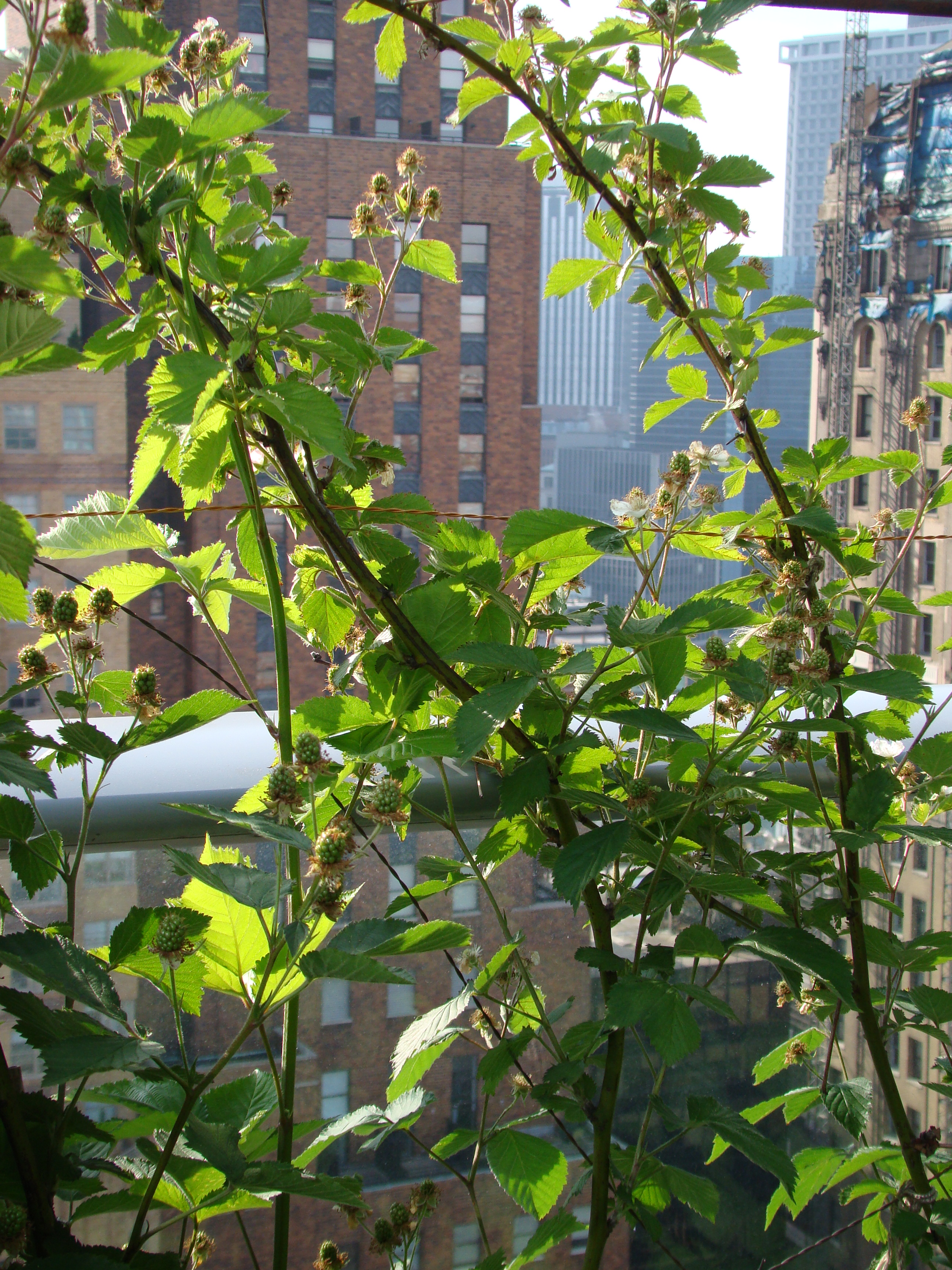
And other berries are not far behind.  The second-year stalks of Rubus canadensis ‘Ouachita” (an early Blackberry, bearing in late June/early July), shows all the signs of a bumber crop:


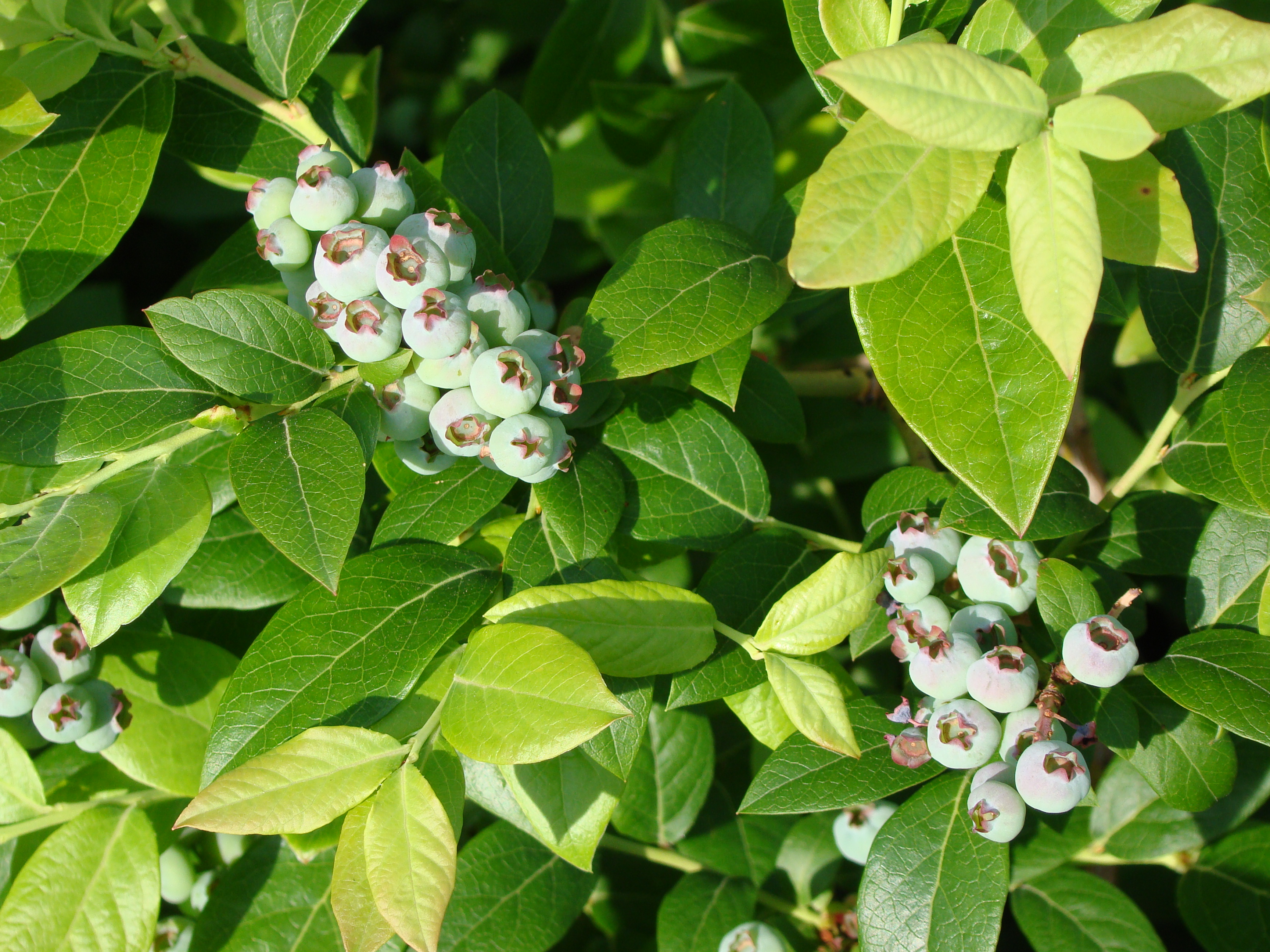
And finally,  the Vaccinium corymbosum ‘Chandler,’ growing in the protection of Pelli Clarke Pelli’s remarkable curtain wall, immune (for the moment) to the predation of hungry birds, shows great promise:

Posted in Berries, Blackberries, Blueberries, Photos, Strawberries | 2 Comments

Rhubarb!

I have just planted three Rheum rhabarbarum‘Victoria,’ a Rhubarb variety known for its sweet tender stalks, and not generally known as a green roof plant.    I am optimistic.   They now inhabit the center of the blackberry/raspberry patch, with deep humus-rich soil and partial shade, which they prefer.   Like so much in horticulture, Rhubarb requires patience.  I will not be able to begin harvesting stalks until 2014.   (A reminder for readers who may be inspired to do the same, the leaves of Rhubarb, with heavy concentrations of oxalic acid, can be toxic when eaten in large quantities and are best avoided.)

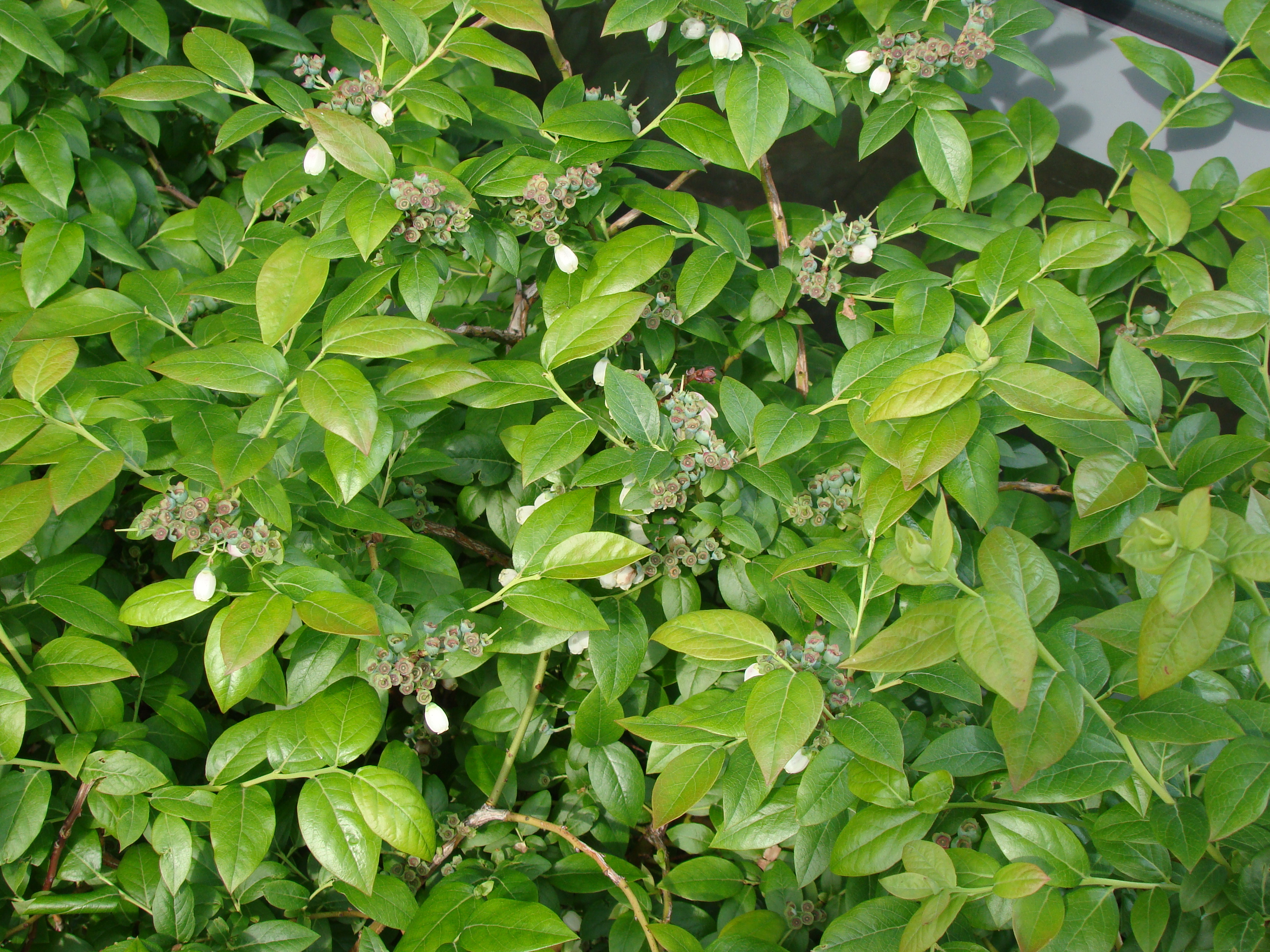
Just opposite the blackberry/raspberry patch, the blueberries survived the harsh winter with aplomb, and show all signs of a bumper crop to follow:

And just down the central axis in the orchard, the nectarine tree continues its precocious ways:

Finally, a roof-top garden inevitably triggers meditation on the interface between the built and natural environments.   Is this a foreshadowing of the natural world asserting dominion following the decline of civilization (think the last two pictures in Cole’s Course of Empire), or a herald of a brighter age when man and nature reach a happy accommodation:

Posted in Blueberries, Grapes, Nectarines | Leave a comment

Spring Planting 2011

Having considered the many lessons of our first season, the Battery Rooftop Garden is now implementing its second season planting plan.   Among the main things learned in 2010: 

  • the richness and depth of our soil allows us to achieve varieties and planting densities not possible with leaner and more conventional green roof soil mixes;
  • the real sun-lovers cannot live in the west-most beds, which lose the sun too early in the day;
  • celery is difficult;
  • potatoes need to start early and be mounded conscientiously;
  • zucchini on a roof is prone to mildew, perhaps because of the denseness of the planting.

Our planting plan for 2011 is as follows:

To be grown from seed:

  • Arugula
  • Bean, Empress
  • Bean, Providor
  • Bean, Contendor
  • Bean, Foremost
  • Beet, Chioggia
  • Beet, Detroit Red
  • Beet, Burpees Golden
  • Carrot, Purple Haze
  • Carrot, Atomic Red.
  • Carrot, St Valery
  • Leek, King Richard
  • Lettuces:  Focea, Cherokee, Panisse, Skyphos, Buttercrunch, Deer Tongue, Australe, Barbados.
  • Onions:  Forum, Red Zepplin, Candy, Copra.
  • Pea, Blue Podded
  • Peas, Sugar Snap
  • Pea, Alaska
  • Scallion, White Spear (heat tolerant).
  • Spinach. Bloomsdale Long Standing
  • Spinach, Monstrueux-de Viroflay
  • Watercress
  • Zucchini, Tondo Scuro di Piacenza (“Eight Ball”)
  • Zucchini, Costata Romana

To be grown using Greenmarket transplants:

  • Broccoli
  • Sorrel
  • Purple Cauliflower
  • Tomatoes
  • Peppers
  • Basil
  • Spinach
  • Malabar spinach
  • Kale:  Red Russian, Lacinato, Winterbor.

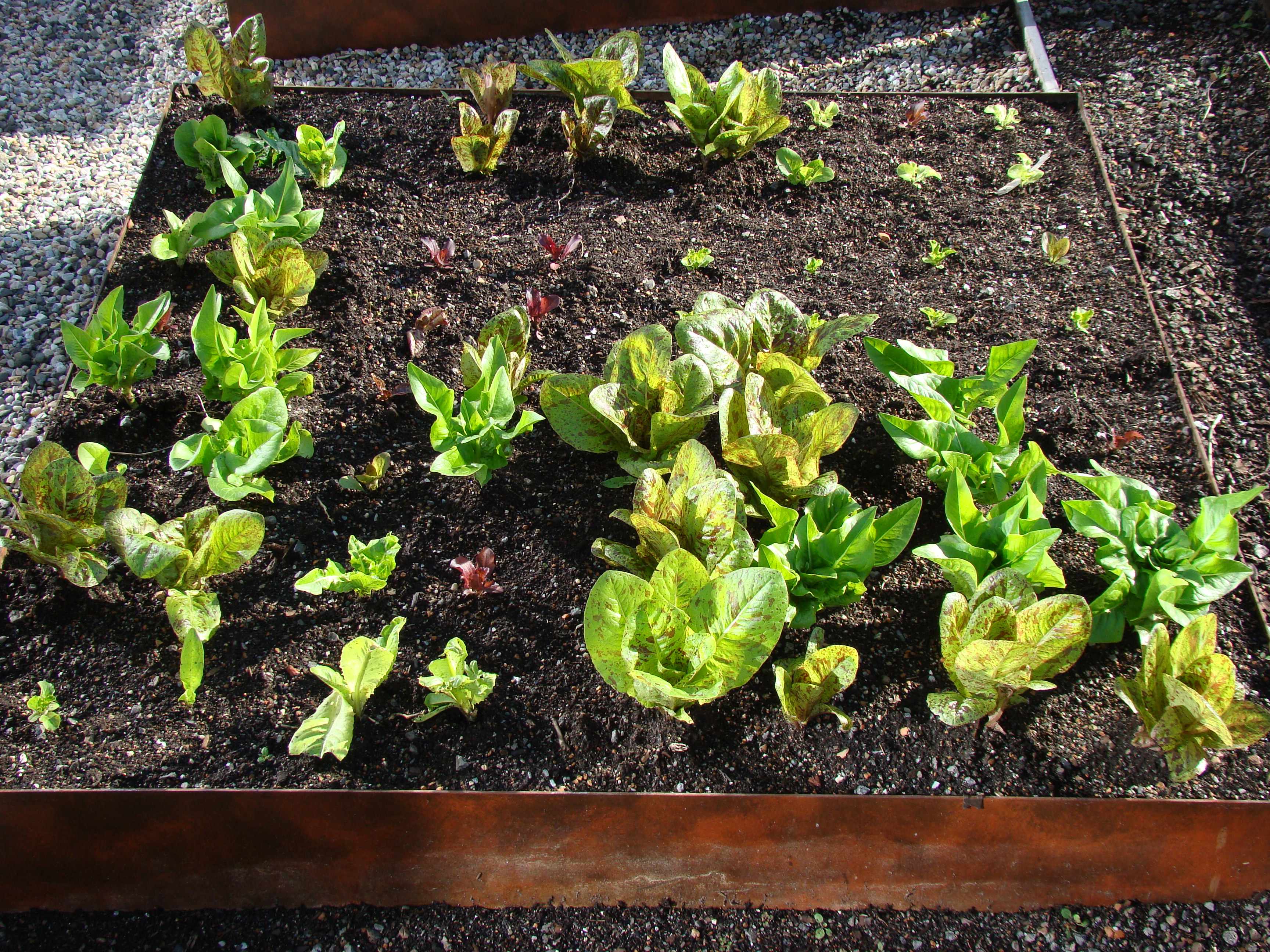
As of April 29, the beets, lettuce, onion sets, peas and spinach are in the ground.   Currently ready for harvest:  parsley, scallions, lettuce (started in the cold frame and transplanted a couple of weeks ago):

Posted in Failures, Lettuce, Parsley, Photos, Scallions, Soil | Leave a comment

Spring Surprises

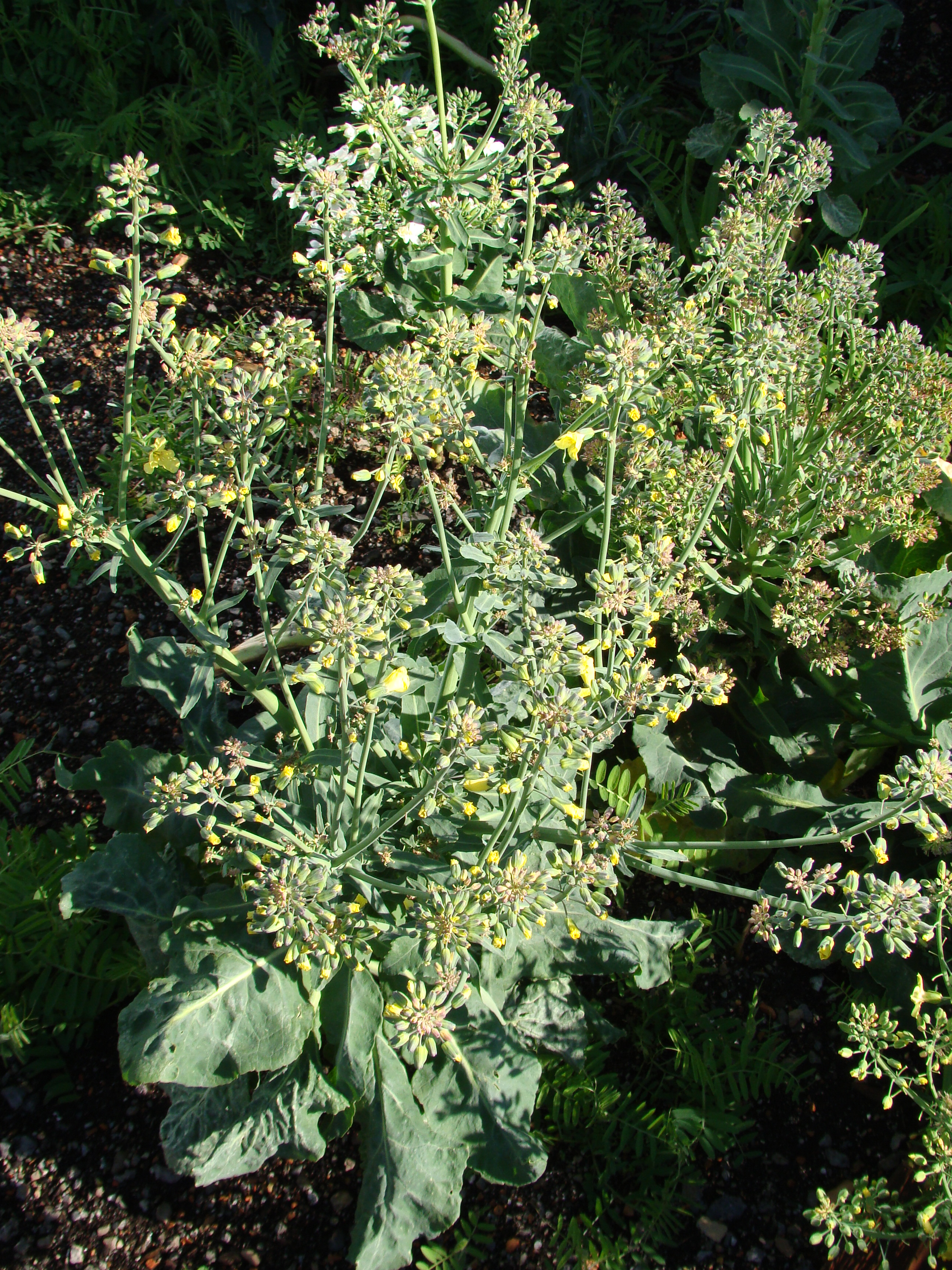
Last year’s broccoli and cauliflower plants were left in the rear beds for winter interest.  Who would have known (actually, many of you, I suspect) that these plants would not only survive the winter, but the heads would separate and burst into exuberant bloom:

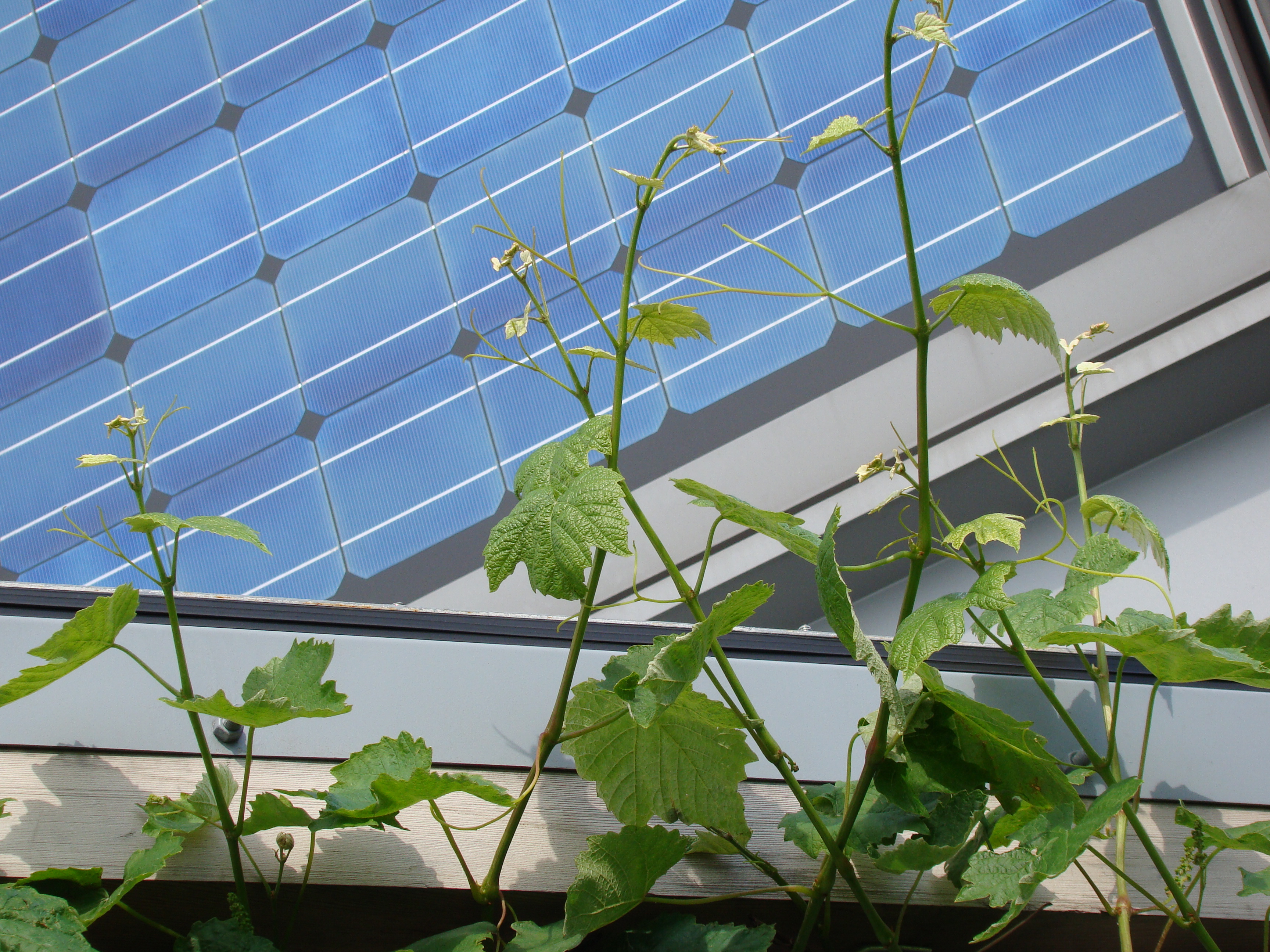
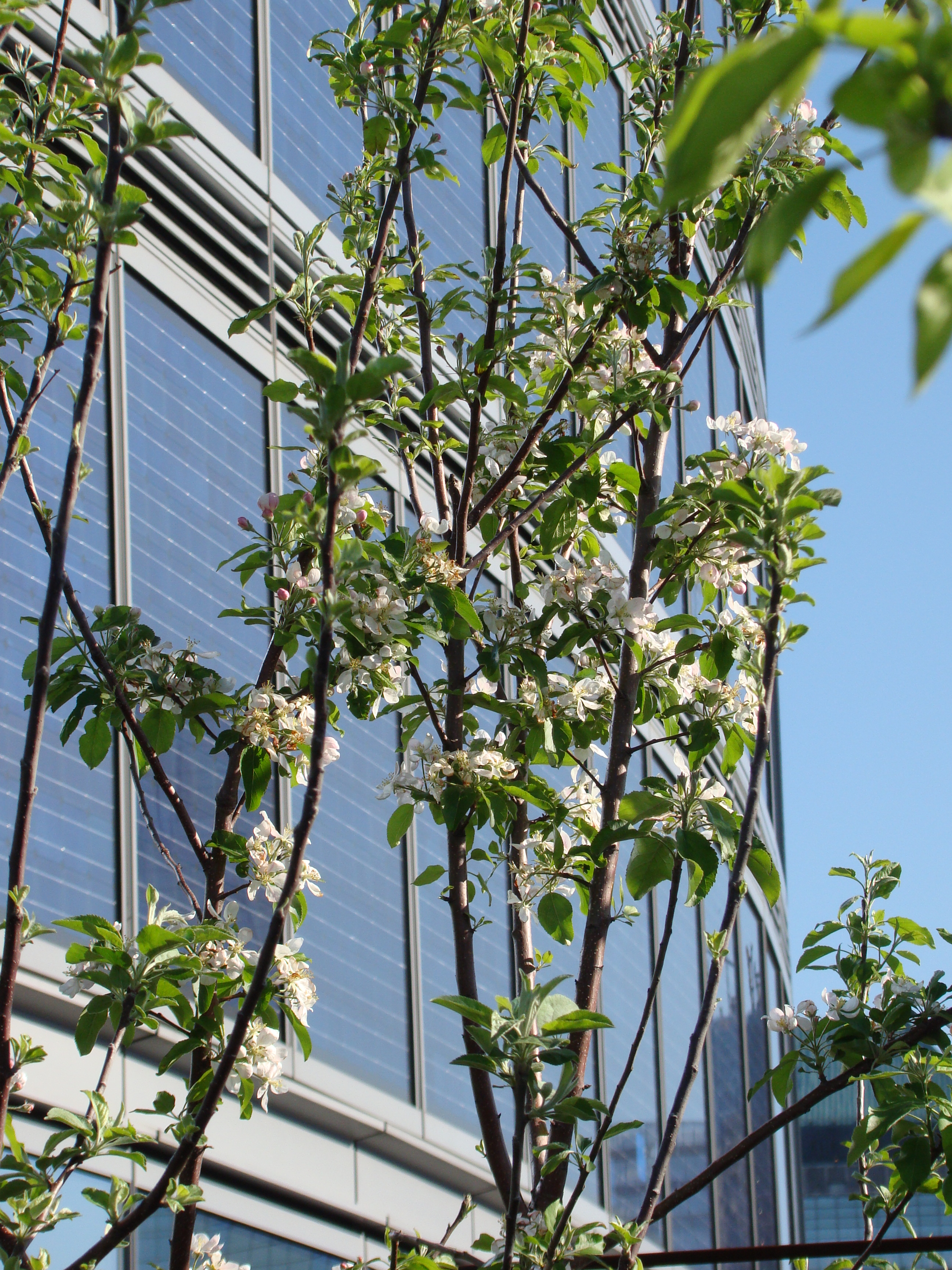
And of course, other food crops have proven to be pleasingly ornamental.  Here is one of the heirloom apples against the photovoltaic panels:

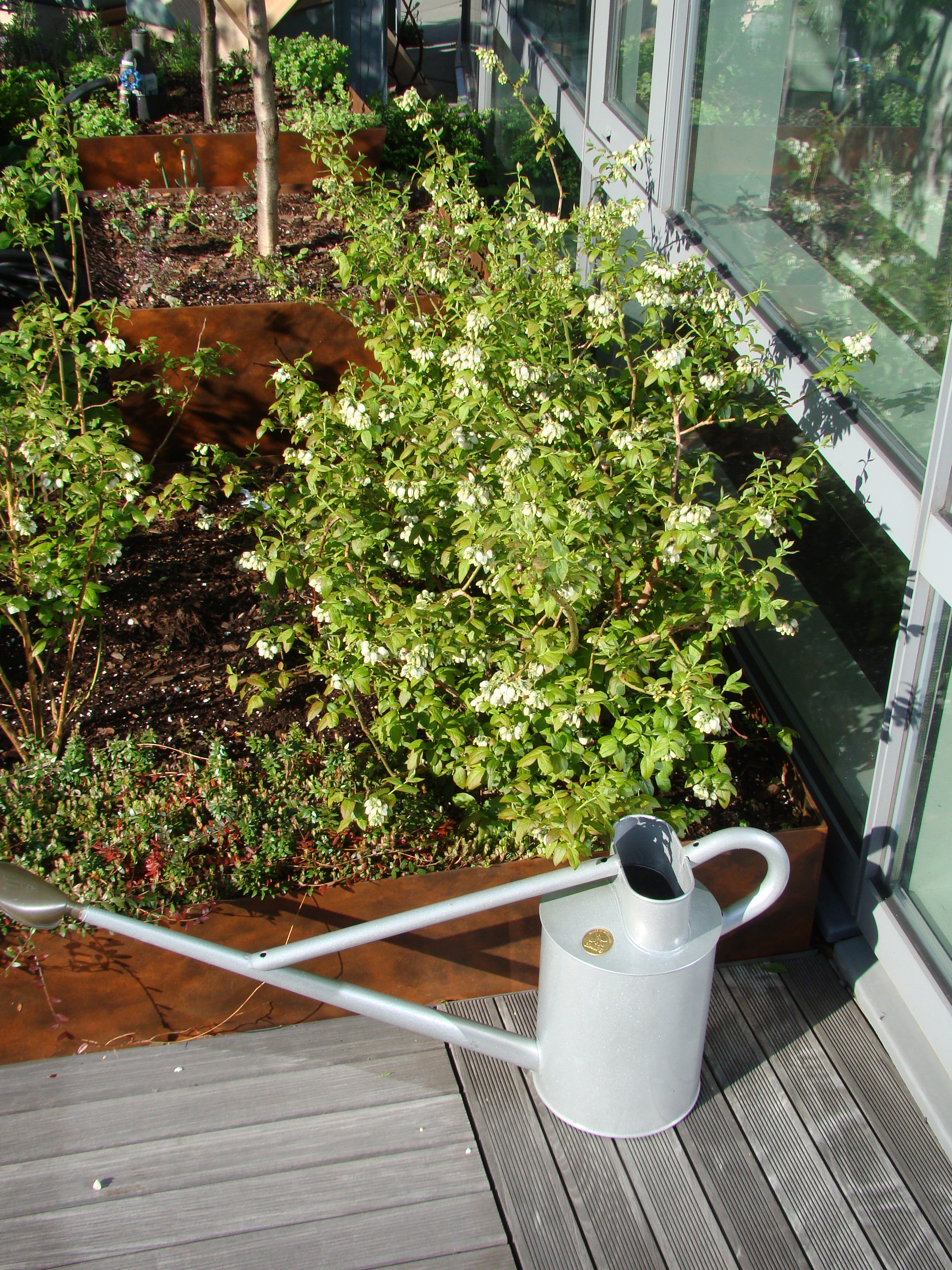
And the early season blueberries, with each blossom containing the promise of a sweet berry to come:

Posted in Apples, Blueberries, Ornamental Plants | 1 Comment

Battery in Brooklyn

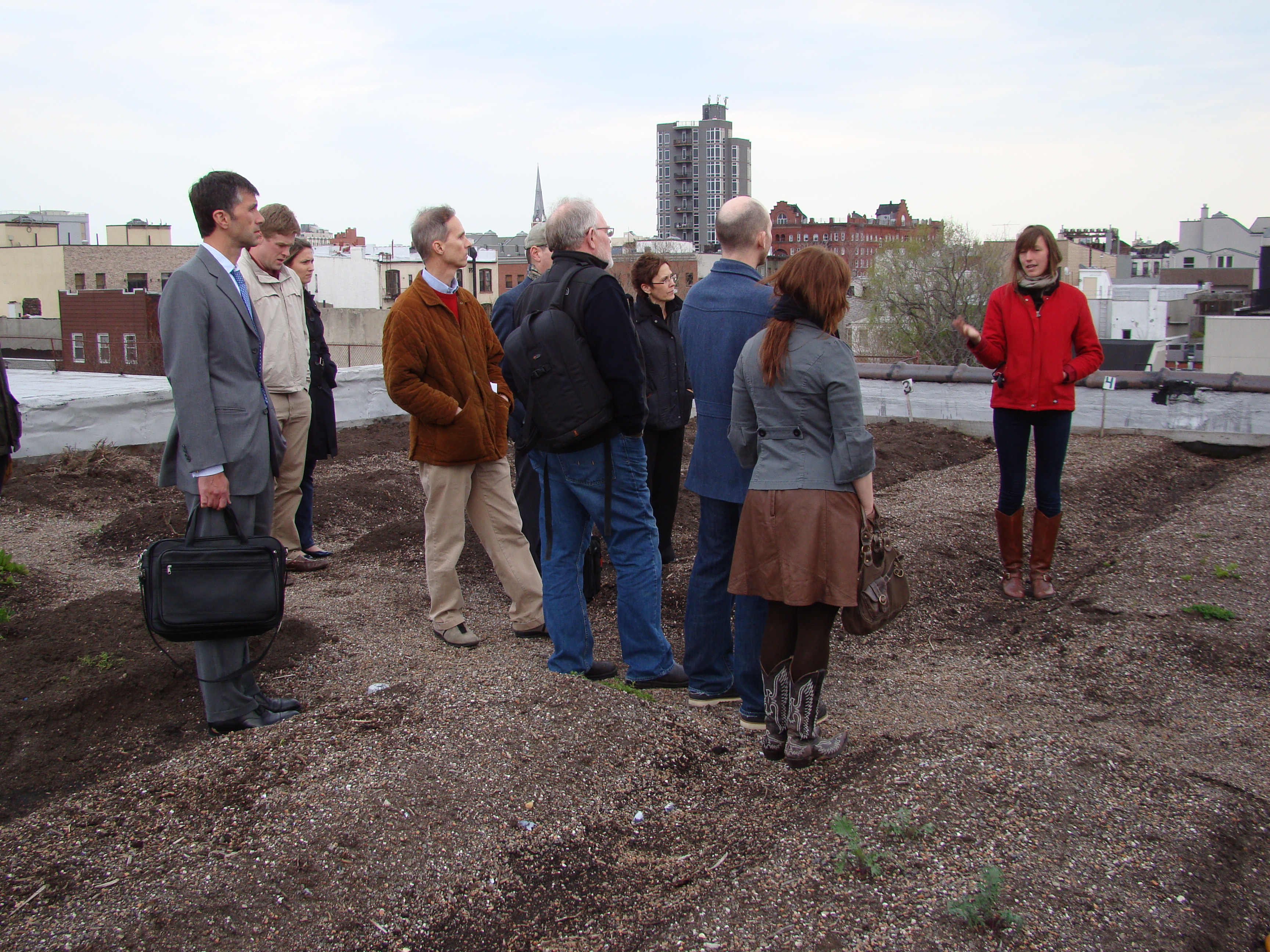
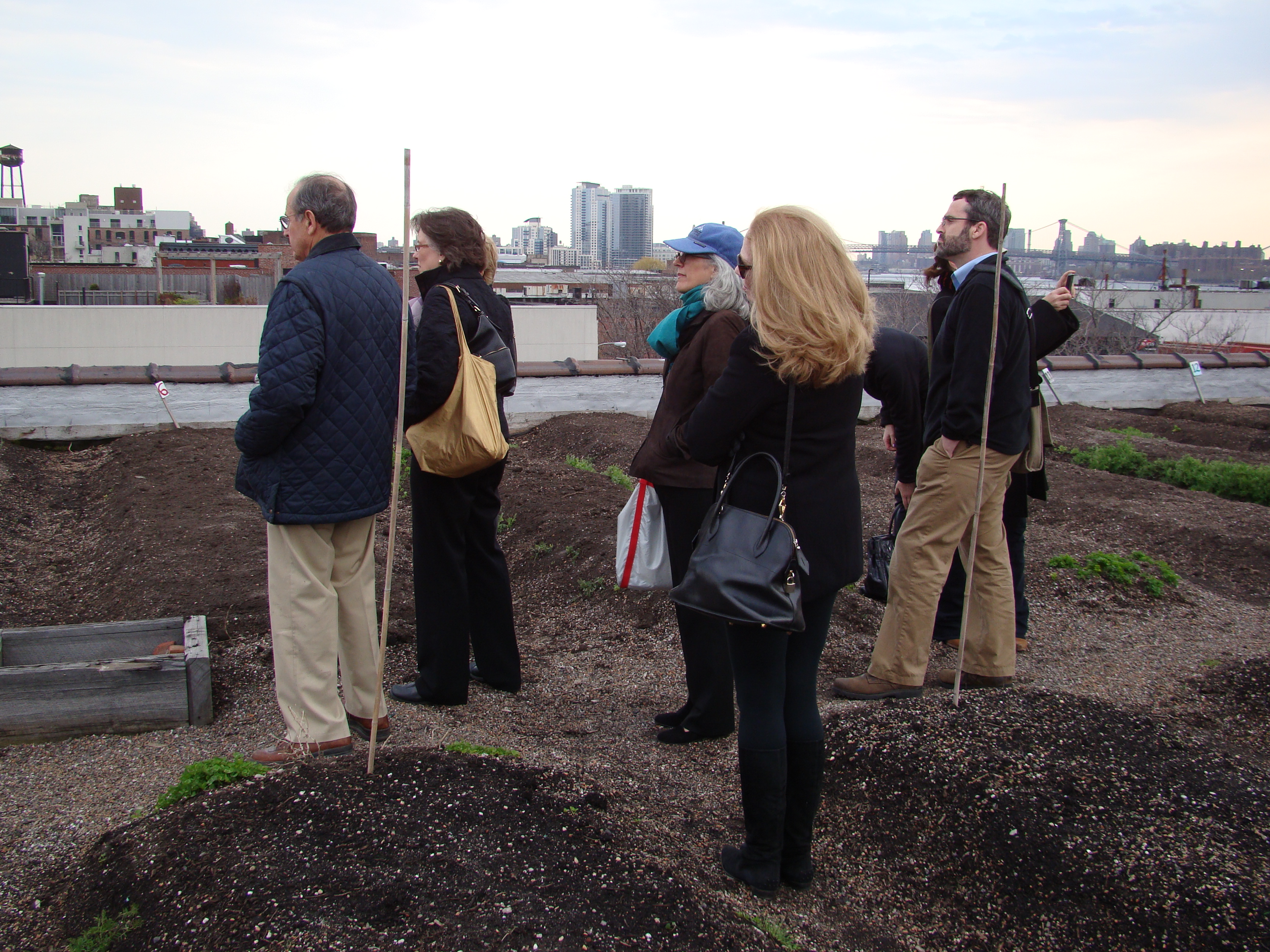
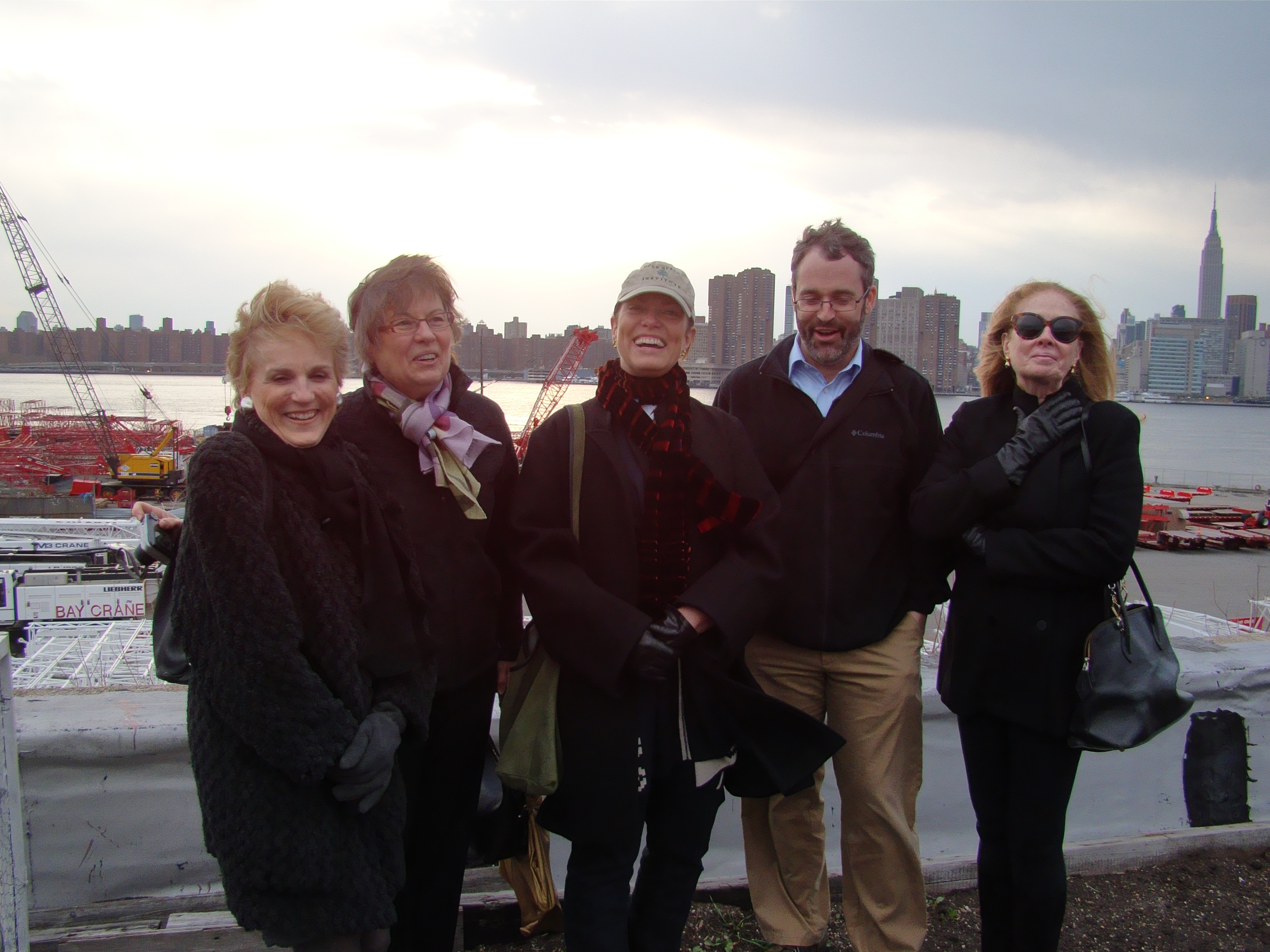
Although Battery Rooftop Garden is located at the tip of Manhattan, its roots are in Greenpoint, Brooklyn, specifically at Annie Novak’s Eagle Street Rooftop Farm (see www.rooftopfarms.org ).  Monday night the Battery Rooftop Gardener, together with 30 friends, set out across the East River for Greenpoint.  The evening started with a visit to Eagle Street, where Annie explained the origins of the 6,000 square foot farm and partnership with Growing Chefs (www.growingchefs.org ):

Eagle Street also runs an on-site farm market and unique partnership between an urban and Hudson Valley CSA.  Unlike the Battery Rooftop Garden, Eagle Street ues a more conventionl green-roof soil mix (BRTG uses a mix with 50% pure compost), and relies on hand-watering.  2010 crops included cucumbers, hot peppers, tomatoes, eggplants, spinach, radishes, kale, swiss chard, carrots, peas, beans, salad greens and

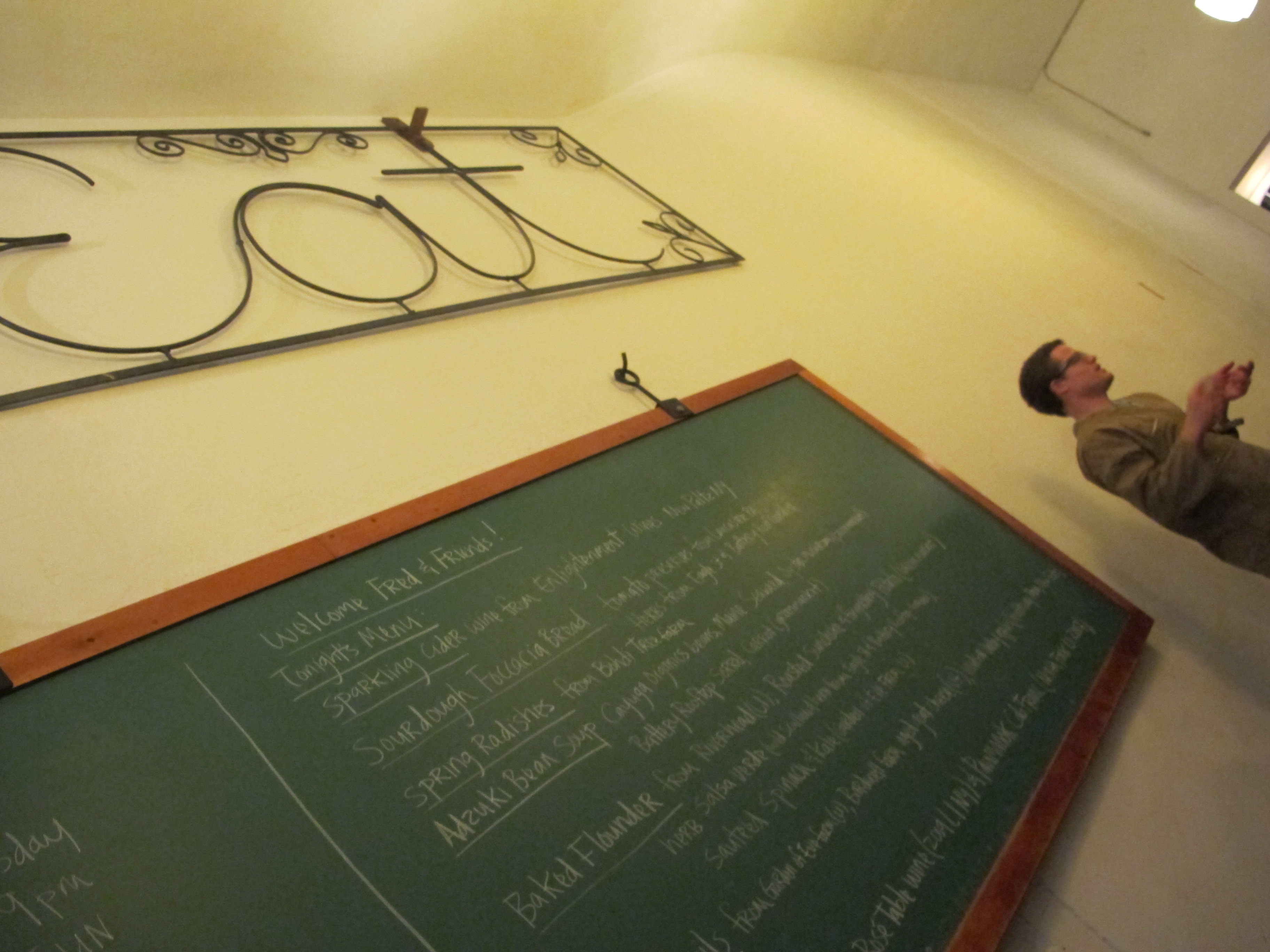
herbs.   After the tour, the guests visited Jordan Colon’s ultra-locavore restaurant, EAT, at 124 Meserole Avenue(www.eatgreenpoint.com ).   Jordan and his brother prepared a meal of startlingly fresh and pure dishes, with ingredients sourced exclusively from North-East US sources, with an empahsis on New York State:

Sourdough Foccacia Bread with tomato and green garlic sauce

Spring Radishes

Adzuki Bean Soup with digitata (Maine seaweed) oyster mushroom, battery rooftop sorrel, and carrot

Baked Flounder topped with salsa verde (herbs from Eagle Street and BRTG), roasted potatos, sunchokes, and BRTG rosemary, and sauteed spinach and kale with wild chive

Pea Tendril Salad with apples and Consider Bardwell Farm aged “Manchester” goat cheese

Wines- Wolffer Estate Rosé table wine (Long Island), Paumonok Cabernet Franc (Long Island), Enlightenment Wine sparkling cider (Hudson Valley)

Posted in Chefs, Guests, Meals and Menus, Photos, Soil | Leave a comment

Cold Frame Success

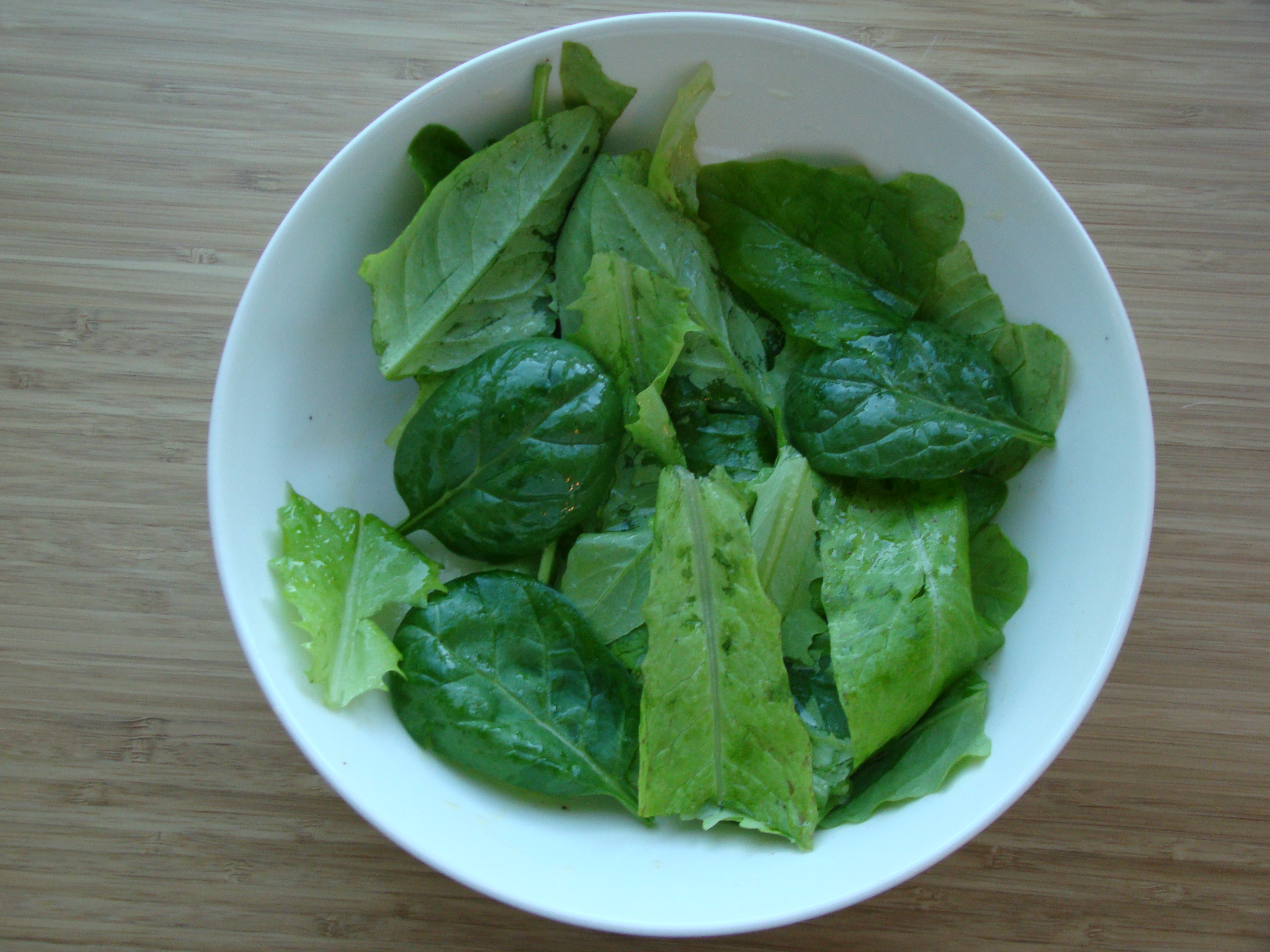
Although the cold frame was installed late (see previous post) and the first sowings of lettuce and spinach in January failed (see previous post), by late February my harvest of winter greens began in earnest.  A salad from March 1:

Cold frame salad, harvested from roof March 1, 2011

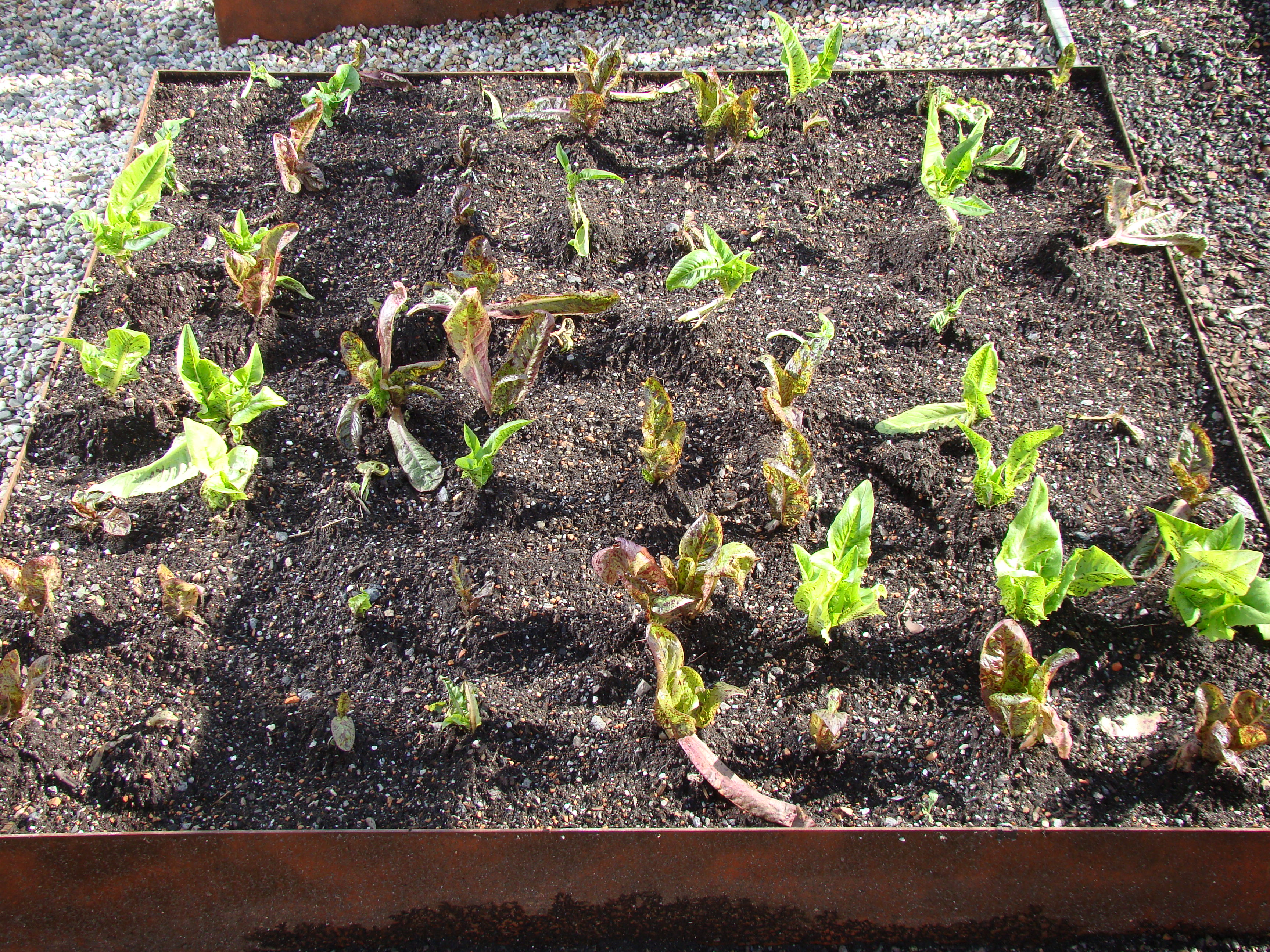
The cold frame also provided plants for early transplant into the garden (below are cold frame transplants on April 14, following a week unprotected in cold and windy weather):

 
Posted in Cold Frame, Greens, Lettuce, Spinach, Weather | Leave a comment